👾 Minions & Monsters Review: What Critics Are Actually Saying
Minions & Monsters posted an 88% Rotten Tomatoes score, a record for Illumination, then opened to the franchise's softest domestic weekend yet.
Marcus Reyes · Reviews Editor
· Updated · 7 min read
★ Our score: 4/5
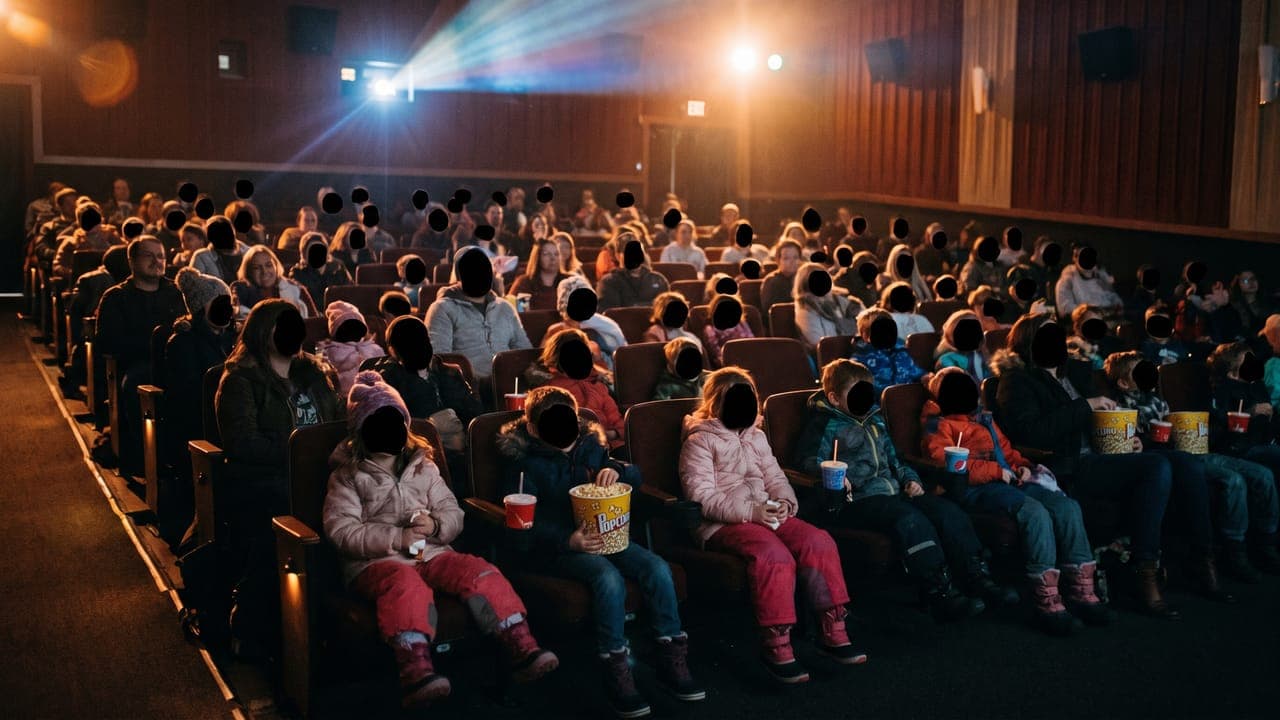
Four generations into a franchise built on gibberish and pratfalls, Illumination finally made the one critics actually like. Minions & Monsters holds an 88% Rotten Tomatoes score — the highest of any Minions or Despicable Me movie, and a Rotten Tomatoes record for Illumination as a studio, full stop. It's set in 1920s Hollywood, where the Minions try to shoot their dream monster picture and instead summon the genuine article. That premise should have been enough on its own. It somehow wasn't even the best part of the story.
The scorecard: a record score, a record-worst opening
| Metric | Number |
|---|---|
| Rotten Tomatoes score | 88% |
| Metacritic score | 67/100 (25 reviews) |
| CinemaScore grade | A- |
| Franchise rank | Highest of any Minions/Despicable Me film |
| Studio rank | Illumination record, any film |
| Early-review trajectory | Opened at 93% Fresh (42 reviews), settled to 88% |
| Domestic opening | $61M over five days, the franchise's softest launch |
| Domestic running total | $108.9M+ and still charting |
Two things are true about these numbers, and neither cancels the other out. Most fourth-generation family franchises get softer reviews with each new entry, not sharper ones. Illumination just posted its best Tomatometer number ever on one of the later trips to this particular well. The opening weekend was also the worst the Minions have ever posted domestically, even as the movie keeps climbing our 2026 box office chart toward that $108.9M+ total. Both are the same movie. Notice, too, the 21-point gap between that 88% Tomatometer and Metacritic's 67: Metacritic's smaller, top-critic-weighted pool tends to grade family animation on a curve closer to art-house cinema, so the split says more about who's counted than about a dip in quality mid-review-cycle.
The score itself moved before it settled. Early tracking had Minions & Monsters at 93% Fresh off the first 42 reviews, the kind of number a studio prints on a poster before the sample size catches up with it. It cooled to 88% as the wider critic pool weighed in: still a record, just a more honest one. It's also the rare 2026 family-sequel review story that isn't about Pixar's Toy Story 5; read that one for the contrast.
What actually won critics over
Illumination's Minions have operated for years like a toddler locked in a kitchen with the pots-and-pans drawer left open: all noise, no plot requirement, and somehow profitable anyway. Minions & Monsters keeps the noise. What's new, per the people whose job is watching movies for a living, is that it finally builds an actual room around it.
"a shockingly delightful madcap comedy that feels like it could convert even the most staunch Minions hater into, if not necessarily a fan, at least a begrudging admirer." — Wilson Chapman, IndieWire
That's a critic on record as skeptical of this franchise, talked into something close to respect. Alonso Duralde at The Film Verdict landed on the same discovery from a different angle, crediting "the references to cinema history — and the love letter to both moviemaking and moviegoing" with giving "this kiddie sequel a wonderful jolt of smarts and sentiment." Two outlets, two critics, one shared surprise: there's an actual point of view under the pratfalls, and it's about the movies themselves.
There's a reason critics go soft for movies about moviemaking. It's the audience doing the reviewing. Ask any working film critic what they'd rather sit through: another CG chase through a candy-colored city, or ninety minutes of in-jokes about practical effects, silent-era stunt work and the birth of the studio system. You already know the answer. Minions & Monsters found the exploit. Bury the Hollywood-history material inside a Minions movie and the film gets credit twice: once from the parents who came for pratfalls, once from the people scoring it on Rotten Tomatoes who came for something else entirely and found it anyway.
Is the backlash fair?
Not everyone bought it, and the holdouts are worth naming instead of waving off. Mark Kennedy at the Associated Press dismissed the whole conceit (a movie "about the sheer greatness of moviemaking") as reading like "a navel-gazing misfire." Kimberly Jones at the Austin Chronicle pushed further:
"the Hollywood setting is just window dressing for a fairly generic disaster movie — noisy, busy, eventually brutalizing in its relentlessness." — Kimberly Jones, Austin Chronicle
Both readings hold together on their own terms. Neither describes the consensus. An 88% score means roughly nine of every ten counted reviews came back positive, so treat Kennedy and Jones as an informed minority report, not a hidden truth the Tomatometer buried. I'd take the movie their way if it clicked for me the way it clicked for them. It didn't, and it apparently didn't for most people paid to sit through kids' movies for a living, either.
There's a context clue buried in that 88%, too: critics have sat through more Minions content than almost anyone alive who isn't paid hourly to supervise a screening room full of eight-year-olds. Their baseline for "another one of these" is exhausted by design. A record score from a jury that tired is a stronger signal than the same number from a fresh panel. That's exactly why Kennedy and Jones reading it as more-of-the-same carries real weight, even from the minority seats.
Why didn't 88% move more tickets?
Here's the part a press release about a Rotten Tomatoes record skips over. A franchise-record critic score produced a franchise-worst opening: $61M over five days, the shakiest launch the Minions have ever had. Reviews and opening-weekend grosses measure different audiences. Parents book a Saturday matinee off brand recognition and a trailer, not off an aggregator score. The people who actually read reviews tend to be the ones who show up in week three, once a group chat of babysitters and older siblings has vouched for it.
That's how you get $108.9M+ and still climbing, per our weekend-by-weekend results tracker: a 1.8x multiple on that opening number, which is steady legs, not a front-loaded hit cooling off. For the general mechanics behind a well-reviewed movie opening soft, our guide on why movies flop at the box office covers the gap in more depth than a single scorecard can.
None of this is unique to Minions & Monsters. Animated sequels built for families routinely under-open relative to their reviews, because the reviews land during a press cycle nobody outside entertainment journalism reads, and then the movie gets four to six weeks of school-holiday word of mouth to make up ground the opening weekend didn't. A $61M five-day launch that grows into a $108.9M+ total isn't a movie that failed to connect. It's a movie that connected on a delay: a worse story for a Friday box office chart, a better one for anyone reading the Tomatometer instead of the grosses column that week.
The cast cashing an easy check (or not)
Pierre Coffin directs, same as always, and the voice cast reads like a talent agency's idea of a fun Tuesday: Christoph Waltz, Jeff Bridges, Jesse Eisenberg, Zoey Deutch, Bobby Moynihan, Phil LaMarr, Trey Parker, Allison Janney. That's two Oscar winners and a South Park co-creator voicing sidekicks in a movie about banana-colored henchmen fighting monsters. Waltz in particular sounds like he's having a better time than the paycheck required, which is rarer in this genre than the credits list suggests.
None of that casting is charity, either. An Oscar-adjacent name attached to an animated tentpole is a marketing beat as much as a performance choice: a name parents recognize on a poster, a clip that plays well on a late-night circuit, a reason for outlets like this one to spend a paragraph on the voice cast instead of the plot. What's harder to manufacture is an actor who sounds like they showed up for the material rather than the fee, and that's the distinction reviewers kept drawing with Waltz specifically.
Illumination isn't chasing Disney's animation scale (see our Disney vs. Universal animation box office breakdown for how lopsided that fight usually runs), but a studio-record review score changes the conversation inside Universal's corner of the studio market share tracker for at least a week, even with the softer opening.
So, is it worth watching?
ReelTally's own number lands at 4 out of 5, and the reasoning is boring: a kids' movie that also works as a note to film buffs is a harder trick than it looks, and this is the first time in four generations Illumination has actually landed it. You don't need the 1920s-Hollywood hook to enjoy the pratfalls. You do need it to explain why critics who've sat through every one of these things suddenly sound surprised.
Methodology
Score and quotes here trace to Rotten Tomatoes' published critic tallies, cross-checked against Forbes' and Rotten Tomatoes' own editorial coverage of the film's reception, plus outlet-level reporting on the domestic opening and running total. For how we read a domestic total like this one generally, see our guide on how box office numbers are calculated. Nobody on this desk has screened the film. Every opinion above belongs to the critic named next to it, not to us.
Illumination spent four generations proving Minions could sell tickets without critics' help. Minions & Monsters is the first one that didn't need the help and got it anyway — a stranger flex than a Rotten Tomatoes record usually gets credit for.
Frequently asked questions
▸What is Minions & Monsters' Rotten Tomatoes score?
88% on Rotten Tomatoes — a record for both the Minions/Despicable Me franchise and for Illumination as a studio.
▸What is the movie's plot?
Set in 1920s Hollywood, the Minions attempt to shoot their dream monster movie and their own magic experiment ends up summoning real monsters instead.
▸Who directed Minions & Monsters?
Pierre Coffin directs a voice cast that includes Christoph Waltz, Jeff Bridges, Jesse Eisenberg, Zoey Deutch, Bobby Moynihan, Phil LaMarr, Trey Parker and Allison Janney.
▸What's the main criticism of the film?
A minority of critics, including the Austin Chronicle's Kimberly Jones, argued the 1920s-Hollywood setting was 'window dressing' over a fairly generic disaster-movie plot — a minority read against an otherwise strongly positive consensus.
This weekend's box office, in your inbox
The weekend chart, new streaming arrivals, and any tracker update worth knowing about — one short email a week. No spam, unsubscribe anytime.
Written by Marcus Reyes
Reviews Editor
Tracks what critics actually said about a movie — not what the poster quotes claim they said. Builds ReelTally's consensus roundups from scored, attributed reviews.
Up next

Perfect Tomatometer Doesn't Save Hadestown From Its Own Format Trap
A Tony-winning musical hits 100% critical acclaim on a five-day run, then immediately breaks that format. What the box office actually reveals about Broadway on screen.
Marcus Reyes · 2026-07-27Keep learning

2026 Box Office Chart: Every Wide Release Ranked
Every 2026 wide release ranked by total domestic gross, not weekend rank, with the running math on who is actually winning the year so far, updated weekly.
Elliot Kang · 2026-07-18
Disney/Pixar vs. Universal/Illumination: Animation Compared
Toy Story 5's $404M domestic outgrosses Minions & Monsters 3.7-to-1, but Illumination's record 88% is the stat I'd frame. Full math, both directions.
Ben Okafor · 2026-07-18
Toy Story 5 Review: What Critics Are Actually Saying
Toy Story 5 grades at 94% on Rotten Tomatoes, its franchise low, and 95% with audiences who plainly didn't get the memo. The real breakdown, quotes included.
Marcus Reyes · 2026-07-18