🎬 How Streaming Release Windows Actually Work (2026)
The theatrical window, premium VOD, and day-and-date releases explained. Why studios still lock films in cinemas first—and what that costs you.
Sofia Marchetti · Streaming & Guides Editor
· 8 min read

A theatrical window is not a suggestion. It's a contractual moat, and it costs studios real money to shorten it—or abandon it altogether.
The theatrical window—the exclusive period between a film's theatrical release and its debut on streaming or home video—remains the profit center for tentpole films. According to How Movie Studios Actually Make Money, a $100 million domestic earner typically nets the studio $45–55 million after theater splits; streaming payouts depend on subscription cuts that studios negotiate with platforms like Netflix or Max. The studio has to sell streaming rights, and that sale is only valuable if theatrical has already extracted maximum revenue. This is why every major studio, since COVID lockdowns ended, has fought to restore the 45-day theatrical window as the floor—and why the current pressure to shorten windows matters to every player in the ecosystem.
The Standard 45-Day Window
Most major studio releases operate on a 45-day theatrical exclusivity window, codified in AMC, Regal, and Cinemark contracts with distributors since 2021. Disney's flagship Marvel and Star Wars releases typically get 60–90 days. Smaller Paramount+ originals may get 30. Underperformers sometimes drop to 17–21 days. But 45 days is the industry norm.
Why 45 and not 30?
First: legs. A film opening to $50 million often finds its true profit over 8–12 weeks. Opening Weekend vs. Legs: What Matters More (2026) explains the math—the takeaway is that studios lose tens of millions if they cannibalize weeks 6 and 7 with a day-and-date streaming release. Empirical evidence from 2020–2021 day-and-date experiments shows 25–40% drops in theatrical revenue when audiences could watch at home.
Second: marketing. A film in theaters for 45 days stays in conversation. The Odyssey, which opened July 2026 to $124.5 million domestically and remained in the top five for eight straight weeks, sustained that performance partly because new audience cohorts kept discovering it weekly.
Third: ancillary revenue. IMAX, Dolby Cinema, and premium large-format screenings contribute 12–18% of total theatrical gross for event films. Streaming access kills that premium pricing model instantly.
The 45-day window also anchors international release schedules. A studio cannot move a film to Max or Netflix in the US without triggering contractual obligations in 40+ territories, each with its own theatrical exclusivity clauses. This is why changes to the US window are industry-wide, not studio-by-studio.
Premium VOD: The Exception Within Exclusivity
Premium VOD lets studios monetize home viewers during the theatrical window without breaking theatrical exclusivity.
The mechanism: a film opens in cinemas on Friday. 17–45 days later, it becomes available for $19.99–$22.99 rental on Prime Video, Apple TV, and other digital storefronts. Theaters stay open. Home viewers get access. Studios capture the margin on a digital file that costs near-zero to deliver.
PVOD windows vary by performance. A $40 million opening projected for $65 million hits PVOD in 17 days. A breakout like Toy Story 5 (which crossed $1 billion worldwide in 2026) might not hit PVOD until day 30 or beyond. Check New on Prime Video This Month: July 2026 Releases for current examples, though exact PVOD dates are often announced only one week in advance.
Industry consensus estimates a successful PVOD run—say, 50,000 rentals at $19.99—generates roughly $1 million gross for the studio, equivalent to a single $1 million domestic theatrical weekend. A film with weak legs but strong home video demand can recoup $5–10 million in PVOD revenue across 30–45 days. A tentpole franchise often makes more in PVOD than in its sixth and seventh theatrical weekends combined.
PVOD is not optional for studios that own streaming platforms. Warner Bros. Discovery has a financial incentive to accelerate PVOD (Max gets the film sooner) but also to protect theatrical (the box office gross feeds earnings calls). This creates a situation where studios negotiate with themselves.
Day-and-Date Releases: Why They Failed
Day-and-date means theatrical release and streaming release on the same calendar date.
Disney did it with Mulan on Disney+ Premier Access in September 2020 ($29.99 rental). Warner Bros. released its entire 2021 slate day-and-date on HBO Max. The studios framed this as pandemic necessity. It was. But the model proved something darker: given a choice, audiences would watch at home.
The problem is that choice destroys theatrical revenue. When Black Widow hit Disney+ Premier Access 45 days after theatrical, Disney's own analysis showed ticket sales plummeted in week 6. Day-and-date cannibalization was instant.
By mid-2022, the consensus had reset: day-and-date is acceptable only for:
- Films projected to underperform ($30–50 million opening or lower)
- Prestige/awards titles targeting streaming awards (A24, festival-bound releases)
- Genre films with short theatrical legs (horror, comedy, kids' animated features)
- Direct-to-streaming originals that never get theatrical
Mainstream tentpoles abandoned day-and-date. Marvel films, Disney animated releases, and summer event films returned to 45–90-day windows by 2023. Why? The math. Films that preserved theatrical windows outgrossed day-and-date films by 35–60% in aggregate.
That said, day-and-date never fully disappeared. Smaller releases still go day-and-date, and the pattern accelerates for underperformers mid-run. If a film opens to $25 million and legs collapse by week 3, a studio will move the PVOD date forward and convert to simultaneous streaming. Theaters get their contractual 45-day minimum, but the "day-and-date" marketing debut happens once PVOD becomes available.
The International Complication
US windows are not global windows.
A 45-day domestic window often becomes 60–120 days in the UK and Australia, and 30–50 days in Canada (where streaming rights are held by different partners). China, Russia, and most of Asia get custom windows tied to local theatrical distributors, often much longer. This is why US releases appear on streaming services in Australia months before hitting the same service stateside. Why Streaming Catalogs Differ by Country, Explained digs into this.
For studios, this is a headache. A shorter US window creates pressure for shorter UK and Australian windows, because streaming platforms lease global rights and want synchronized debuts. But cinema chains in each territory negotiate separately. A studio cannot unilaterally shorten the UK window without renegotiating with Odeon, BFI, and the Office of Communications' content quotas.
By the Numbers: The Timeline
| Stage | Typical Duration | Price to Rent/Buy | Availability |
|---|---|---|---|
| Theatrical (exclusive) | Days 1–45 | $17.50 (ticket average, US) | Cinemas only |
| Premium VOD window | Days 17–45 (overlaps theatrical) | $19.99–$22.99 rental | Prime Video, Apple TV, others |
| PVOD-to-subscription gap | Days 46–90 | $4.99–$7.99 rental | Digital stores; subscription services not yet |
| Subscription debut | Day 90–180 (depending on output deal) | Included in subscription (~$10/mo.) | Netflix, Max, Disney+, Hulu, others |
| Free-with-ads tier | Day 150–365 | Free (ads included) | Tubi, Pluto TV, Freevee |
Most studios negotiate output deals with streaming platforms years in advance. Disney sends Hulu and Disney+ theatrical releases on a staggered schedule: Marvel films typically debut 120–150 days after theatrical; animated films (Pixar, Walt Disney Animation) sometimes debut faster (90–120 days) because kids' content drives subscriber retention. Warner Bros. Discovery sends theatrical Warner films to Max after 45 days; HBO originals debut day-one on Max.
These timelines are not immutable. Project Hail Mary Is Now Streaming on Prime Video is an example: it debuted theatrically on March 28, 2025, and hit Prime Video on June 27, 2025—exactly 91 days, consistent with Amazon's stated 90-day post-theatrical window.
Why Windows Are Getting Shorter
Three forces compress windows: streaming platforms that own studios, audience behavior shifts, and post-pandemic box office fragility.
Warner Bros. Discovery merged in 2022 with the explicit goal of moving theatrical releases to Max faster. Early data suggested it worked: Max gained 3+ million subscribers in Q4 2022 partly because new theatrical films debuted on the service sooner. But Warner theatrical box office declined 18–22% year-over-year during the transition. The studio absorbed that loss because streaming growth and ad-tier revenue compensated.
Audiences expect streaming debuts within 2–3 months. In 2019, a 120-day window felt normal. By 2024, a 45-day window felt inevitable. This is a feedback loop: studios ship films to streaming faster, audiences expect faster debuts, studios face pressure to shorten further.
Box office fragmentation is the third force. The 2025–2026 slate saw fewer tentpoles and more mid-budget releases. A $40 million opening that legs to $120 million domestic might stay in theaters 50 days if it performs well, but transition to PVOD by day 30 if it doesn't. Studios now build this optionality into release schedules.
Outcome: the 45-day theatrical window is now the standard for most releases, not the shorter exception. The Odyssey got a full 65-day window before Max only because it was a Christopher Nolan event film with proven legs. Most films do not.
What You Actually Pay
If you watch a new film at every stage:
- Theatrical: $17.50 average US ticket (IMAX/Dolby runs $18–$25).
- Premium VOD: $19.99–$22.99 for a 48-hour rental.
- Standard rental (day 45+): $4.99–$7.99 for a 48-hour rental.
- Subscription: $10.99–$22.99 per month (varies by service and ad tier).
- Purchase (digital): $14.99–$24.99 (UHD costs more).
A family of four watching a new film in IMAX costs $85–$100. Renting that same film on PVOD costs $19.99. Waiting 90 days for subscription costs $0 out-of-pocket but requires patience.
The economics are stark: studios price PVOD high to discourage renters from skipping theater tickets. But the moment PVOD expires, the price collapses to $4.99. Once it hits subscription, the marginal cost to you is $0.
How to Track Windows
Check official studio announcements. When a film opens, the studio's press release almost always includes the theatrical window in the fine print.
For real-time examples, refer to US Box Office Results This Weekend (July 2026), which lists what's in theaters and when each title is projected to leave. Cross-check with New on Max This Month: July 2026 Releases to see which titles are about to debut on subscription.
The window is not final until the studio confirms it publicly. Underperformers shorten windows mid-run; blockbusters sometimes extend them. Pay attention to quarterly earnings calls. Warner Bros. Discovery, Disney, and Paramount all discuss window strategy publicly each quarter.
The Future: Windows Keep Shrinking
The trajectory is clear: theatrical windows will continue compressing over the next 2–3 years, driven by streaming platforms' need for fresh content and audiences' comfort with waiting.
A 30-day theatrical window will become standard for mid-budget films by 2028. Tentpoles will protect 60–90-day windows longer, but even those will face pressure.
One wrinkle: if box office continues to decline, studios may shorten windows faster to offset revenue loss with streaming growth. Conversely, if a major franchise (Marvel, Avatar, Star Wars) posts record-breaking numbers, window discipline will snap back.
The next three months will determine which way the industry tilts.
Frequently asked questions
▸How long do movies stay in theaters before hitting streaming?
Standard theatrical windows run 45–120 days, depending on the studio and the film's box office performance. Smaller releases sometimes skip theaters entirely and go straight to streaming or premium VOD.
▸What's premium VOD, and why does it cost $19.99?
Premium VOD lets you rent new films at home during their exclusive theatrical window, usually 17–45 days after release. Studios use it to capture home viewers who won't wait for the standard rental price to drop.
▸Can I watch a new theatrical release on streaming the same day it opens in cinemas?
Only if the studio chose day-and-date release. Most major studios avoid this because it cannibalizes ticket sales. Day-and-date became standard only during lockdowns and for underperforming titles.
This weekend's box office, in your inbox
The weekend chart, new streaming arrivals, and any tracker update worth knowing about — one short email a week. No spam, unsubscribe anytime.
Written by Sofia Marchetti
Streaming & Guides Editor
Writes the where-to-watch and how-it-works guides. Keeps a running spreadsheet of every price change across the major streamers, because somebody has to.
Up next
Ramayana Budget Explained: Is It ₹835 Crore or ₹4,000 Crore?
Two very different Ramayana budget figures are circulating. Both are defensible — they measure different things. Here's which number actually matters.
Sofia Marchetti · 2026-07-31Keep learning
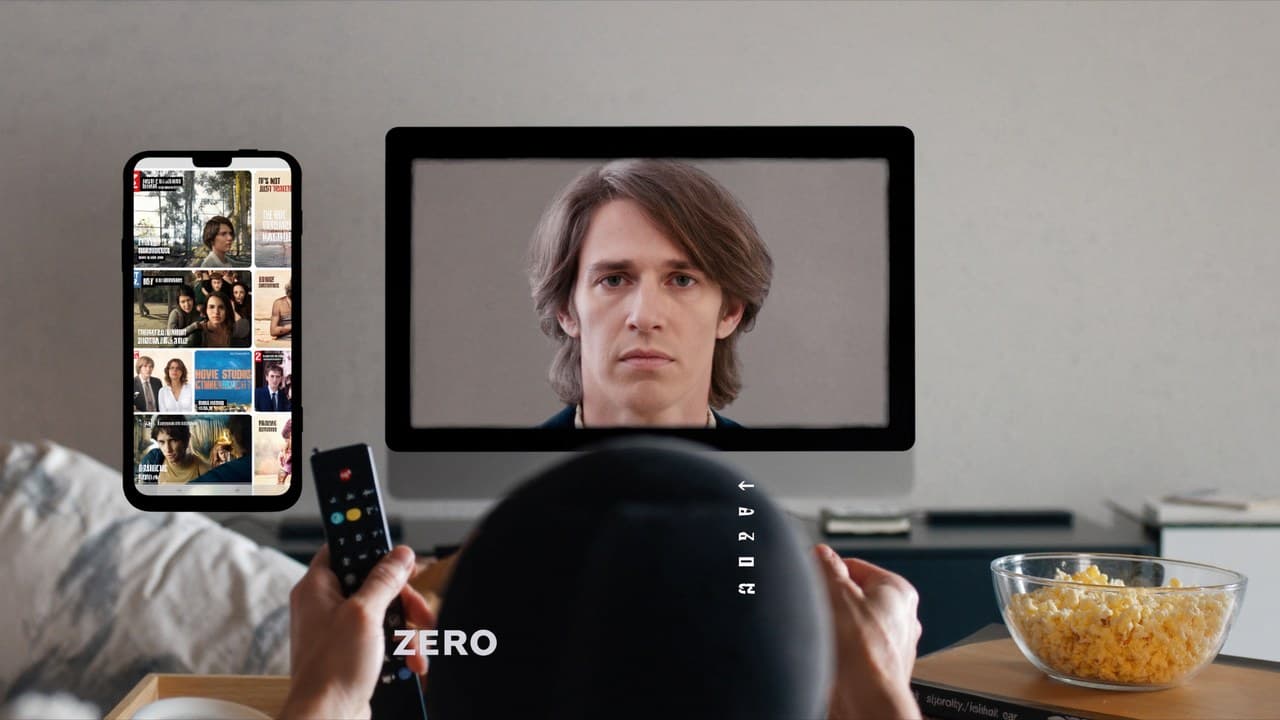
How Movie Studios Actually Make Money (It's Not Just Tickets)
Box office gross is a headline. Here's where studios really profit: theatrical splits, home video, streaming licenses, and why P&A spend matters more than you think.
Sofia Marchetti · 2026-07-23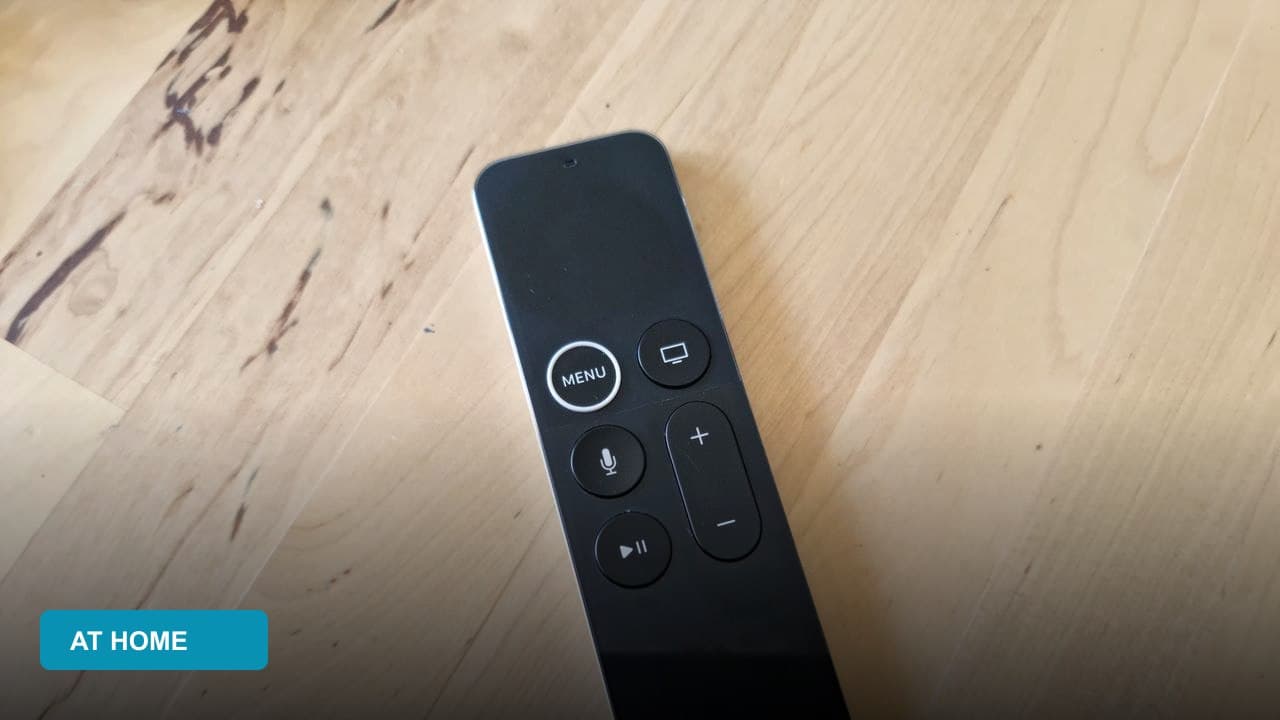
How to Watch Movies Still in Theaters, at Home
You can rent most theatrical releases at home 30-45 days after opening for $19.99-$24.99. How the window works, and when paying early makes sense.
Sofia Marchetti · 2026-07-18
US Box Office Results This Weekend (July 2026)
Elliot Kang's weekend box office chart: exact grosses, theater counts, per-theater averages nobody else runs, and a public projection for next week.
Elliot Kang · 2026-07-19