🏠 How to Watch Movies Still in Theaters, at Home
You can rent most theatrical releases at home 30-45 days after opening for $19.99-$24.99. How the window works, and when paying early makes sense.
Sofia Marchetti · Streaming & Guides Editor
· Updated · 7 min read
You can rent most movies that are still in theaters 30-45 days after they open, for $19.99 to $24.99, as a premium digital rental with a 48-hour viewing window. No new subscription, and no waiting on a streaming date the studio hasn't announced yet. You pay once, for one title, while the same film is still playing at the multiplex ten minutes from your couch.
That covers the question. The rest is the part worth actually reading: why one movie takes six weeks to come home while another takes four, and what the $24.99 buys you.
How soon can you rent a movie that's still in theaters?
Thirty to 45 days after theatrical opening. Which end of that range you get is decided by ticket sales and nothing else.
A film still parked in the top five of the weekend box office results a month into its run is still earning, and every early rental would replace a ticket somebody was about to buy. Those titles ride the window all the way to day 45. A film that emptied out by its second weekend, the kind we end up filing under why movies flop, has no revenue left to protect. It surfaces near day 30, sometimes looking a little sheepish about it.
So read the chart instead of the calendar.
| What the film is doing | When to expect the rental | Why |
|---|---|---|
| Still top five after four weekends | Day 45 | Tickets are still selling; a rental would replace them |
| Out of most theaters by its second weekend | Around day 30 | The theatrical money already stopped arriving |
| Announced as day-and-date | Opening day | The window was skipped on purpose |
Studios almost never publish the rental date during opening weekend, and the silence is deliberate. Announcing day 31 up front tells every undecided ticket-buyer to skip the theater and wait a month, so the date stays unspoken until the theatrical run has given what it's going to give. The money being protected is the studio's share of each ticket sold; how box office numbers are calculated breaks down whose pocket every piece of that ticket lands in.
Why is the window 30-45 days instead of 90?
Because 2020 broke it. On purpose, in writing.
For decades the exclusive theatrical window ran roughly 90 days; a movie lived on big screens for a quarter of a year or it lived nowhere. Then in July 2020, Universal and AMC signed an agreement cutting required exclusivity to 17 days before a title could move to premium video on demand, as The Hollywood Reporter documented at the time. AMC didn't sign out of generosity. Chief executive Adam Aron said the chain would share in the new rental revenue, which explains the otherwise strange sight of a theater company agreeing to shrink its own exclusivity.
Seventeen days is three weekends, and three weekends is where the bulk of a typical film's theatrical gross lives. Protect those and you've protected the business. The division shows how hard the cut was: 17 days is roughly 19% of the old 90-day standard (17 ÷ 90). Today's 30-45 day norm settled between the extremes, a third to half of the pre-2020 window (30 ÷ 90 and 45 ÷ 90).
Why keep any window at all, then? Marketing. A theatrical run is a national ad campaign the movie runs for itself, and every extra week on the marquee is free promotion for the $24.99 arrival at home.
A premium rental is hardcover pricing. The paperback is already scheduled, the text is identical, and you're paying for impatience and only impatience — the file that rents at $24.99 is bit-for-bit the file a subscription tier plays months later. I find the price easier to respect once it's named that honestly.
What does watching early actually cost?
| Route | When you can watch | Price | The catch |
|---|---|---|---|
| Premium digital rental | 30-45 days after theatrical opening | $19.99-$24.99 per title | 48-hour clock starts at first play |
| Day-and-date release | Opening day | Storefront rental pricing, or a service you already pay for | Only certain titles release this way |
| Subscription wait | Months later, varies by studio and title | Nothing beyond the subscription | The date drifts with theatrical performance |
The sticker looks worse than the math. Split one $24.99 rental across four people on a couch and it comes to about $6.25 a head ($24.99 ÷ 4); even two viewers land near $12.50 each ($24.99 ÷ 2). Stretched over its full 48-hour window the same fee prices out around $0.52 an hour ($24.99 ÷ 48), which nobody actually achieves but which does reframe the sticker. Watching alone is the hard case, and the patient lane is sitting right there.
Though the patient lane is only free-ish. The subscriptions you'd wait on keep repricing while you wait (Paramount+ raised prices again in 2026), so even patience carries a monthly bill.
The $5.00 spread between the $19.99 floor and the $24.99 ceiling is not worth shopping. Major storefronts price inside that band on the same titles, so rent wherever your card is already on file and skip creating a ninth account.
One habit I will keep preaching: the 48-hour clock starts the moment you press play, no matter when you paid. Rent on Tuesday and start it Saturday and you're fine. Press play Tuesday night "just to check the picture" and you've spent $24.99 on a menu screen.
What is a day-and-date release?
A day-and-date title reaches theaters and a streaming or rental platform on the same day, with no exclusive window at all. It shows up most on mid-budget films, a slice of horror, and releases from studios that own a streaming service and need to keep it stocked.
The studio's trade is blunt: it forfeits theatrical revenue for immediate reach at home. That bet reads sensible for a modest thriller whose audience was going to wait anyway, and reckless for a tentpole built to sell tickets.
Your part is smaller. Before renting anything, spend ninety seconds confirming the title didn't go day-and-date on a service you already pay for. Annoying, yes. It also occasionally hands you back an entire rental fee for the cost of one search.
Is there a free, legitimate way to watch a movie still in theaters?
No.
Every free stream of a film inside its theatrical window is unauthorized. The legitimate early lane is the premium rental at $19.99-$24.99, and the legitimate cheap lane is the subscription wait. A legitimate free lane does not exist, and the sites claiming otherwise are not places to type anything you care about.
How do you find the date for one specific movie?
From the studio, or not at all. Official announcements, and trackers that verify against them, are the only sources worth your trust, because windows move enough from title to title that a guessed date is usually a wrong date.
As of July 19, 2026, the reasoning that gets you closest is the table above: a film still selling tickets stretches toward day 45, and a fast fade surfaces near day 30. Nothing is real until the studio prints it.
Keep the two windows straight while you check, too. The premium rental and the subscription arrival are separate events, and a title can sit at $24.99 for months before it reaches any tier you already pay for. What those tiers cost by then keeps moving as well; our streaming price comparison holds the current numbers.
What should you watch tonight if your movie isn't home yet?
Rent from the far end of the pipeline. Titles graduate out of the window every week: Project Hail Mary just landed on Prime Video, and The Super Mario Galaxy Movie is headed to Peacock. A film that finished its run costs you nothing extra tonight, and the $24.99 stays banked for the one you genuinely can't wait on.
The window has moved twice in six years, from 90 days down to 17 in a single contract and back out to today's 30-45 working norm, and streaming economics gives it no reason to sit still. Save the hardcover money for the rare title worth reading early; the paperbacks are already on their way to you.
Methodology
Rental windows and prices reflect standard, publicly documented practice across major U.S. studios as of July 19, 2026. Exact windows are studio- and title-specific and move with theatrical performance, so the studio's own announcement for a given title is the final word. Window-history figures (the roughly 90-day pre-2020 standard, the 17-day Universal-AMC agreement of July 2020, and AMC's share of rental revenue under it) are per contemporaneous reporting from The Hollywood Reporter and CNBC.
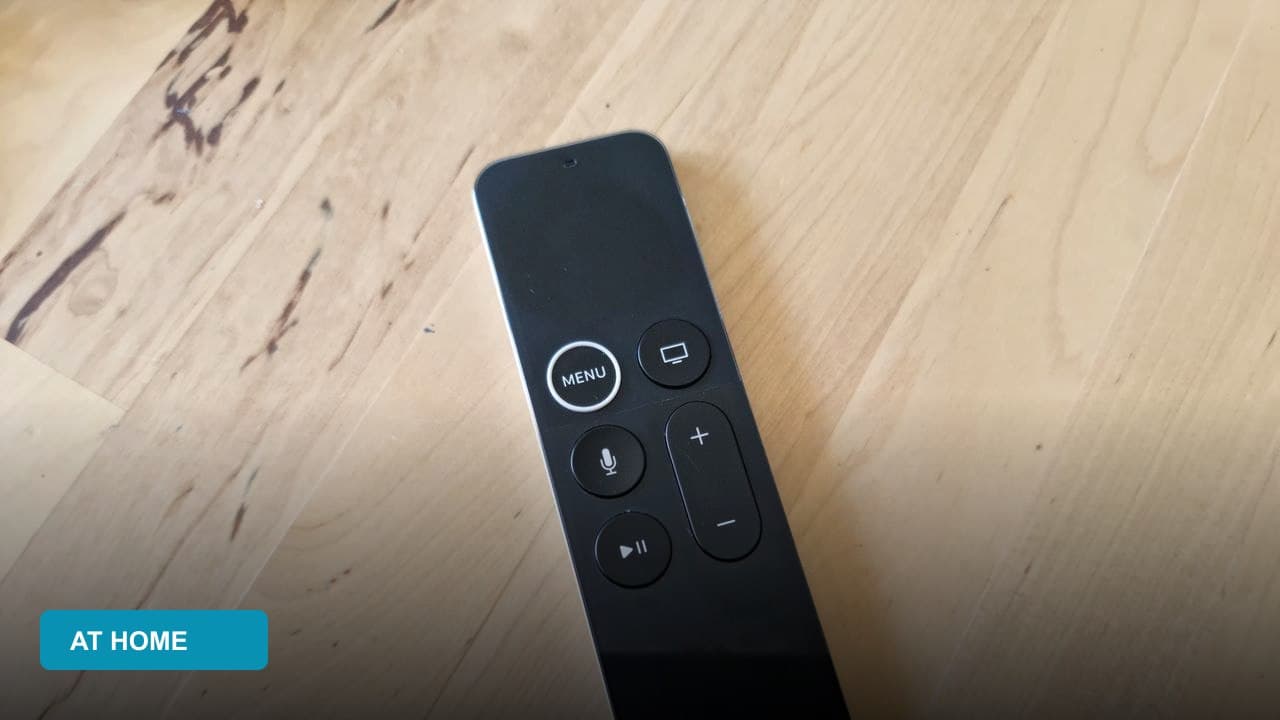
Photo: "Apple TV 4K (4th Gen) with Touch Remote Control" by Smart Home Perfected, licensed CC BY 2.0 via Wikimedia Commons.
Frequently asked questions
▸How soon after theaters can I rent a new movie at home?
Usually 30-45 days after the theatrical opening, as a premium rental at $19.99-$24.99. Films still selling tickets hold the long end of the range; fast faders surface near day 30.
▸What is a 'day-and-date' release?
A film that hits theaters and a streaming or rental platform on the same day, with no exclusive theatrical window. Most common for mid-budget titles, some horror, and studios stocking their own service.
▸Are there legitimate free ways to watch a movie still in theaters?
No. Every free source for a film still in its theatrical window is unauthorized. The one legitimate early route is the premium digital rental, usually $19.99-$24.99.
▸How do I know when a specific movie will be available for rental?
Wait for the studio's official announcement or a tracker that checks against one. Windows shift enough from title to title that a guessed date is usually a wrong date.
This weekend's box office, in your inbox
The weekend chart, new streaming arrivals, and any tracker update worth knowing about — one short email a week. No spam, unsubscribe anytime.
Written by Sofia Marchetti
Streaming & Guides Editor
Writes the where-to-watch and how-it-works guides. Keeps a running spreadsheet of every price change across the major streamers, because somebody has to.
Up next
Ramayana Budget Explained: Is It ₹835 Crore or ₹4,000 Crore?
Two very different Ramayana budget figures are circulating. Both are defensible — they measure different things. Here's which number actually matters.
Sofia Marchetti · 2026-07-31Keep learning
Every Streaming Service Price Compared (2026)
Every streaming plan price for 2026, exact to the cent: Netflix, Max, Disney+, Prime Video, Apple TV+, Paramount+, Peacock, plus the real cost of losing ads.
Sofia Marchetti · 2026-07-18
US Box Office Results This Weekend (July 2026)
Elliot Kang's weekend box office chart: exact grosses, theater counts, per-theater averages nobody else runs, and a public projection for next week.
Elliot Kang · 2026-07-19
Apple TV+ vs. Paramount+: Which Is Worth It?
Paramount+ Essential at $8.99 beats Apple's flat $9.99 for most households, and the ad-free math flips it back. Every price, both catalogs, one verdict.
Ben Okafor · 2026-07-18