👽 Disclosure Day: Why Spielberg's Film Missed Break-Even
Disclosure Day closed near $239M against an estimated $287-300M break-even, a real shortfall. The math, the 62% drop, and why VOD lands July 21.
Dana Whitfield · News Editor
· 5 min read
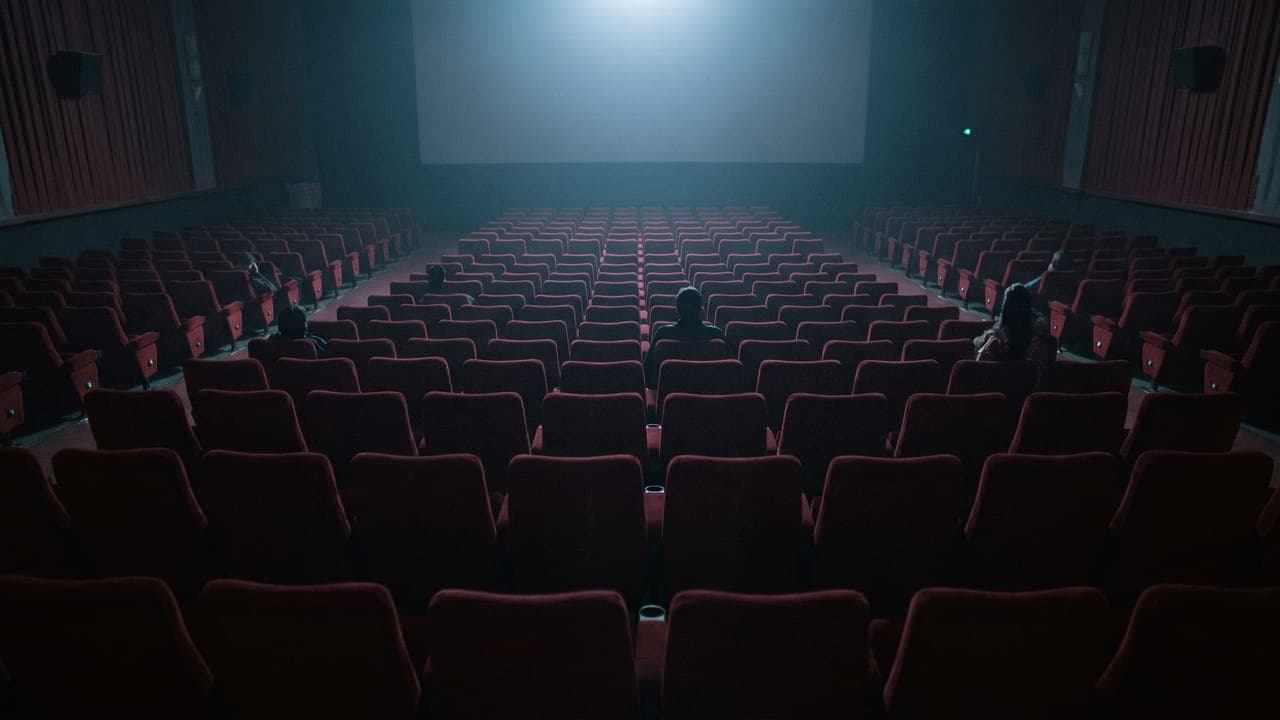
Disclosure Day closes its run at roughly $239 million worldwide. Break-even sat at $287-300 million. That's a $50-60 million hole, and it has Steven Spielberg's name on it.
How deep is a $50-60 million hole?
Start with the receipts. Spielberg's alien-invasion picture, Emily Blunt and Josh O'Connor above the title, David Koepp's screenplay underneath, cost $115 million to produce. Marketing added an estimated $80 million: 70 cents of advertising for every production dollar ($80M ÷ $115M), an aggressive ratio with no franchise name to lean on. Total spend: roughly $195 million.
A $239 million gross clears $195 million on paper. It does not clear it once theaters take their cut first. The standard model, laid out here, puts real break-even at an estimated $287-300 million worldwide, 2.5 times the production budget at the low end ($287M ÷ $115M).
$239 million against $287 million works out to 83% of target. Eighty-three percent of break-even is a failing grade in this business, and our flop explainer covers why the bar sits that high.
Someone will note that Disclosure Day earned 2.1 times its production budget ($239M ÷ $115M). True. Also convenient: that math pretends the $80 million marketing bill never happened. Run total spend against the gross instead and $195 million consumed 82 cents of every dollar Disclosure Day made ($195M ÷ $239M), before an exhibitor touched a cent of it. A restaurant that fills every table and still misses payroll.
One more way to scale it: $239 million across 38 days averages $6.3 million a day ($239M ÷ 38). The collapse below explains the front-loading.
| Line item | Figure | Note |
|---|---|---|
| Production budget | $115M | |
| Marketing spend | ~$80M | estimate; studios rarely disclose P&A |
| Total spend | ~$195M | |
| Break-even estimate | $287-300M | 2.5x budget at the low end |
| Final gross | ~$239M | worldwide |
| Shortfall | $50-60M | |
| Share of low-end target | 83% | $239M ÷ $287M |
| Total spend vs. gross | 82% | $195M ÷ $239M |
| Average daily gross | $6.3M | $239M ÷ 38 days |
| Second-weekend drop | 62% | kept 38 cents per opening dollar |
| CinemaScore | B | |
| Rotten Tomatoes / Metacritic | 80% / 74 | |
| Theatrical window | 38 days | VOD on July 21, 2026 |
Why didn't an 80% Tomatometer save it?
Critics liked it: 80% on Rotten Tomatoes, a 74 on Metacritic, numbers most summer tentpoles would take gladly. Paying audiences answered with a B on CinemaScore. Exit polling's version of a polite shrug. Then the second weekend fell 62%, meaning Disclosure Day kept 38 cents of every opening-weekend dollar (100 minus 62).
I stopped reading the Tomatometer as a demand signal years ago. Critics get in free; the box office doesn't clock their opinion until a ticket clears.
The demographic split does the real damage. Under-17 turnout was virtually nonexistent. The 18-24 bracket supplied just 14% of the audience. An older-skewing film can still turn a profit, adult dramas do it constantly, stacking shallow week-over-week drops while slow word of mouth does the work no trailer can. A 62% slide is the opposite shape.
Legs run on two engines: repeat viewings and the tell-a-friend loop. Teenagers and twentysomethings disproportionately drive both. Disclosure Day had almost none of them in the building, so an 80% Tomatometer had nobody left to carry it.
Did Toy Story 5 finish it off?
It squeezed. Nothing more. Toy Story 5 opened to a projected $160 million and pushed Disclosure Day to #2 after one week in release: one week at the top, then gone. Spread across the traditional three-day opening frame, $160 million is roughly a $53 million-a-day pace, about 8.5 times Disclosure Day's own 38-day average of $6.3 million ($53M ÷ $6.3M). For scale, that single projected weekend equals two-thirds of everything Disclosure Day banked across its entire run ($160M ÷ $239M). The weekend chart shows the field now; Toy Story 5 has already crossed $400 million domestic on its own, and the critics' consensus on the sequel explains why it landed with that much force.
A film holding its own audience survives a giant opening next door. Exhibitors schedule by revenue per seat, and a title dropping 62% surrenders its premium screens without a fight. The squeeze compounded the weakness. It didn't create it.
What does a 38-day window admit?
Thirty-eight days. That's the full theatrical life of a Spielberg film in July 2026. Count back from the July 21 VOD date and the opening lands in mid-June. A release window is a studio's honest opinion of its own film, delivered in scheduling instead of press notes: every early on-demand listing costs a potential ticket sale, so a title with real legs gets a long window on purpose. A 38-day sprint says the opposite, nothing left worth protecting.
You can read a release calendar faster than any earnings call. Our guide to watching still-in-theaters films at home covers how these short windows play out from the couch side once a studio moves on.
Where does this leave Spielberg?
With a verified miss on the ledger, and not his first. The BFG landed $195.2 million worldwide against a $140 million budget in 2016; Forbes called it, at the time, a contender for the biggest flop of his career, and a decade later that verdict has held. Disclosure Day doesn't erase Jaws or Jurassic Park or the fifty years around them. It does mean this is the second time in ten years a big swing has come up short, and one data point still decides nothing. Two starts to look like a pattern worth naming.
The film keeps its line on our 2026 bombs tracker regardless. The tracker grades ledgers, not reputations.
What separates this from a marketing narrative is paper. The $115 million budget is reported. The $287-300 million target follows from arithmetic anyone can run. The $239 million finish sits below it, and no amount of press-tour goodwill from Blunt or O'Connor moves that math.
The next number lands July 21, when the VOD run opens. A strong on-demand tail shrinks this story to a footnote. A soft one turns the $50-60 million gap into the number the trades keep citing on Spielberg.
Methodology
Budget, break-even, gross and CinemaScore figures follow trade coverage from Yahoo Entertainment and Flickering Myth, both citing studio-adjacent financial estimates, cross-checked against World of Reel's VOD-date reporting. Marketing spend is an estimate. Studios rarely disclose exact P&A figures; we present it the way the trades do. The BFG comparison uses its confirmed $195.2 million worldwide gross against a $140 million budget, as reported by Forbes at the time and consistent with industry retrospectives since. Derived figures in this story (the 83% share of target, the 82-cent spend ratio, the 2.1x budget multiple, the $6.3M daily average, the 38-cent hold, and the Toy Story 5 daily-pace comparison) are computed from those reported numbers.
Frequently asked questions
▸How much did Disclosure Day gross, and what was its budget?
Production ran $115 million, marketing added roughly $80 million, and total spend landed near $195 million. Break-even sat at an estimated $287-300 million worldwide; the film closed near $239 million, a real $50-60 million shortfall.
▸Who stars in Disclosure Day?
Emily Blunt and Josh O'Connor lead. Steven Spielberg directs the sci-fi alien-invasion film from a David Koepp screenplay.
▸Why did Disclosure Day underperform despite decent reviews?
An 80% Rotten Tomatoes score and a 74 on Metacritic never became word-of-mouth. Audiences graded it a B on CinemaScore, the second weekend fell 62%, under-17 turnout was virtually nonexistent, and viewers 18-24 made up just 14% of the audience.
▸When is Disclosure Day streaming?
It reaches VOD on July 21, 2026, after a 38-day theatrical run, a window that short reads as a studio closing the books on theatrical upside.
This weekend's box office, in your inbox
The weekend chart, new streaming arrivals, and any tracker update worth knowing about — one short email a week. No spam, unsubscribe anytime.
Written by Dana Whitfield
News Editor
Covers studio announcements, casting confirmations and release-calendar moves. Reads the full press release so you don't have to, and flags the parts the marketing copy glosses over.
Up next
Ramayana Trailer Breakdown: Every Reveal, Shot by Shot
The four-minute Ramayana trailer dropped at Brahma Muhurat and hit 10M views in 9 hours. What every major reveal tells us about how Part 1 is structured.
Dana Whitfield · 2026-07-31Keep learning
Why Do Movies Flop at the Box Office? The Real Reasons
A movie needs 2 to 2.5 times its production budget to break even once marketing and the theater's cut get added in. Here's the math nobody publishes.
Sofia Marchetti · 2026-07-18
2026's Biggest Box Office Bombs, Ranked by Losses
Desert Warrior burned 99.5% of its $150M budget — 2026's worst ratio yet. Eight confirmed bombs, ranked by dollar loss and by percentage lost, updated live.
Elliot Kang · 2026-07-19
2026 Box Office Chart: Every Wide Release Ranked
Every 2026 wide release ranked by total domestic gross, not weekend rank, with the running math on who is actually winning the year so far, updated weekly.
Elliot Kang · 2026-07-18