🚀 Project Hail Mary Jumps to Prime Video as Amazon Tests Its Two-Studio Playbook
$683.5M sci-fi hit exits MGM+ after three weeks to test if Amazon's dual-platform release model drives subscriptions or cannibalizes rental revenue.
Dana Whitfield · News Editor
· 5 min read
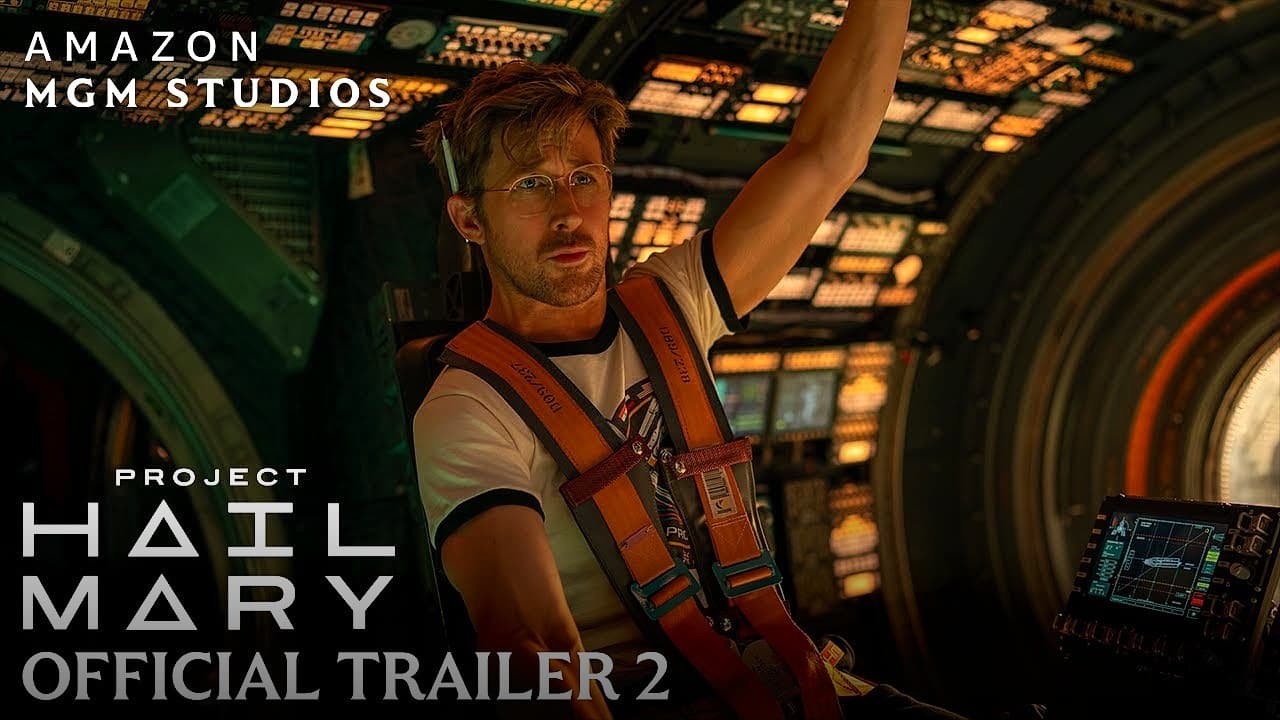
Ryan Gosling's Project Hail Mary arrives on Prime Video July 3, grossing $683.5 million worldwide and revealing how Amazon MGM's dual-studio system sorts theatrical winners from direct-to-streaming bets.
The move matters because it exposes the real economics driving Amazon's hit-versus-flop streaming logic: the sci-fi blockbuster exits its three-week exclusive window on MGM+ to reach the full Prime subscriber base, but only after Amazon extracted revenue from three separate windows—rental, add-on subscription, and bundled SVOD. It's a playbook other studios can't execute because they don't own both the tollbooth and the destination.
The Unusual Route: Four Windows in Four Months
The film opened theatrically March 20, then went to Premium Video on Demand across Apple TV, Prime Video, and other platforms May 12—a 53-day window that let renters pay per transaction before any subscription tier touched it. MGM+ got the exclusive pay-one tier starting June 18. Prime Video gets it July 3. That's four distinct monetization points in 3.5 months, each capturing a different audience segment with different price sensitivity.
Different movies in the Amazon MGM slate go through different greenlight models. Project Hail Mary was greenlit through the theatrical division and monetized under full windows; films greenlit directly by Prime Video skip the MGM+ stage entirely. Those are funded by the streaming division, measured against different KPIs, and built with rental windows designed to extract upfront revenue before the subscription audience gets it free.
| Release Window | Start Date | End Date | Duration | Revenue Model |
|---|---|---|---|---|
| Theatrical | Mar 20 | May 11 | 52 days | Box office |
| PVOD (rentals) | May 12 | Jun 17 | 37 days | Per-transaction |
| MGM+ (exclusive) | Jun 18 | Jul 2 | 15 days | Monthly add-on subscription |
| Prime Video | Jul 3 | Ongoing | — | Bundled/ad-supported |
The pacing is deliberate. PVOD lasted 37 days—enough time for early adopters to rent at $5.99 or $6.99 but not so long that subscription urgency fades. Then MGM+ gets 15 days of exclusivity. That's a short window by traditional standards (Netflix and Apple have fought for 45 days), but long enough to test whether the MGM+ subscription brand itself can move the needle.
How Amazon Extracts Money Three Times Over
Amazon controls both the rental platforms and the destination service. It had no incentive to rush Project Hail Mary to Prime. MGM+ costs $7.99 a month as an add-on; the film cost the service nothing to acquire—it's internal margin. Three weeks of impatient viewers paying to add MGM+ represents pure subscription revenue with zero acquisition cost beyond the theatrical marketing already spent.
MGM+ offered a $0.99/month promotional rate for two months. At that price, the economics are thin unless subscriber retention extends beyond the promo. But the calculus favors Amazon anyway: 200,000 subscribers at $0.99 for two months equals $396,000 in revenue that wouldn't exist if the film jumped straight to Prime.
Then Prime's 250 million global members see it bundled at no extra cost. No marginal platform cost, no licensing fee, no windfall for a third-party distributor.
The rental window matters too. Even at 37 days of PVOD availability, Project Hail Mary likely captured six-figure rental revenue across Apple TV, Prime, and competitors. Studios typically model rental windows to hit 15–25% of the theatrical opening weekend revenue per week for weeks one through four, then taper. Amazon keeps that revenue outright rather than splitting it with third-party renters.
The Strategic Stakes: MGM+ as Prestige Tier
The window positions MGM+ as something it hasn't been yet: a prestige tier for theatrical hits, not back-catalog filler. Epix, which Amazon rebranded as MGM+, had libraries; MGM+ needs moments. Project Hail Mary stays top-of-mind for critics and Oscar voters for three additional weeks before wider Prime exposure.
But prestige tiers only work if they retain subscribers. The promotional pricing signals Amazon knows that without incentive, most viewers will simply wait 15 days for Prime. That's a risk signal. Understanding how streaming release windows actually work matters here because the math shows Amazon betting that MGM+ exclusivity generates more subscription value than wider Prime reach during those three weeks. If that bet fails, the playbook breaks.
When HBO Max delayed Friends reunion availability by 30 days to test HBO+ exclusivity value, the platform gained short-term subscription bumps but reported no measurable long-term retention uplift. Amazon's 15-day window is shorter and follows rental PVOD, so audience frustration should be lower. But if the data says MGM+ adds don't stick, expect future windows to shrink or disappear.
The Wider Comparison: How This Differs From Direct-to-Streaming Releases
Amazon's other major releases have followed different paths entirely. Masters of the Universe landed on Prime Video after a theatrical flop that returned $113 million, bypassing any rental window. That film went straight to bundled SVOD because the theatrical division already failed to justify rental revenue extraction. Project Hail Mary, with $683.5 million gross, earns the right to a full window chain.
Consider the inverse: when Hamnet moved from Peacock to Netflix, it followed a traditional rental-then-exclusive-SVOD path. The pattern holds. Box office winners get windowed. Theatrical disappointments get bundled directly. Amazon MGM's system now explicitly sorts films by performance and origin, assigning them to different monetization chains.
What Happens Next
Watch July through September. Amazon will report Q3 streaming revenue in October. If MGM+ subscriber adds and retention beat expectations in June and July, you'll hear about it. That's the number that matters for whether this playbook repeats. If Q3 shows churn back to baseline after promo expiry, the window becomes a one-off experiment.
Also watch Prime Video's watch-time and completion rates on Project Hail Mary in early July. If the July 3 premiere shows engagement spikes as strong as the MGM+ debut, Amazon has proof that the wait didn't dampen demand. If July shows softer numbers—cannibalization or decay—the theatrical-rental-exclusive-SVOD chain looks less efficient for future releases.
The deeper question: Can Amazon afford to run different windows for different divisions? Theatrical-greenlit films with $683.5 million box office have different ROI expectations than direct-to-Prime films. But as theaters shrink and streaming consolidates, Amazon will face pressure to choose one playbook. Project Hail Mary is the test case showing whether controlling both sides of the chain actually multiplies revenue or just redistributes it between internal silos.
Frequently asked questions
▸Why did Project Hail Mary go to MGM+ first instead of Prime Video?
Project Hail Mary was greenlit through Amazon MGM's theatrical division, not Prime Video directly. Films greenlit through Prime get funded and monetized differently—and often skip PVOD entirely. Project Hail Mary went through the traditional theatrical-PVOD-pay-one-SVOD window, with MGM+ holding the 'pay-one' exclusive tier before flowing to Prime.
▸When did Project Hail Mary arrive on Prime Video?
Project Hail Mary began streaming on Prime Video on July 3, 2026, three weeks after its MGM+ debut on June 18.
▸How much did Project Hail Mary make at the box office?
The film grossed $683.5 million worldwide, making it Amazon MGM Studios' biggest theatrical release.
▸What's the difference between films greenlit by Prime Video and those greenlit by Amazon MGM's theatrical division?
Prime Video-greenlit films skip MGM+ exclusivity and go straight to rental windows before bundled streaming. Theatrical division films like Project Hail Mary follow traditional windows: theatrical release, then PVOD rental, then MGM+ exclusivity, then Prime Video bundled.
▸How long was the PVOD rental window for Project Hail Mary?
The film opened theatrically on March 20 and arrived on Premium Video on Demand platforms on May 12, spanning 53 days before MGM+ exclusivity began on June 18.
This weekend's box office, in your inbox
The weekend chart, new streaming arrivals, and any tracker update worth knowing about — one short email a week. No spam, unsubscribe anytime.
Written by Dana Whitfield
News Editor
Covers studio announcements, casting confirmations and release-calendar moves. Reads the full press release so you don't have to, and flags the parts the marketing copy glosses over.
Up next
Ramayana Trailer Breakdown: Every Reveal, Shot by Shot
The four-minute Ramayana trailer dropped at Brahma Muhurat and hit 10M views in 9 hours. What every major reveal tells us about how Part 1 is structured.
Dana Whitfield · 2026-07-31Keep learning
Project Hail Mary's Three-Window Path Reveals Amazon's New Hit-vs-Flop Streaming Logic
The $683.5M sci-fi blockbuster hits Prime Video July 3 after MGM+ detour—showing how Amazon now routes commercial winners through premium tiers and underperformers straight to the base catalog.
Dana Whitfield · 2026-07-23
How Streaming Release Windows Actually Work (2026)
The theatrical window, premium VOD, and day-and-date releases explained. Why studios still lock films in cinemas first—and what that costs you.
Sofia Marchetti · 2026-07-23
Oscar Winner Hamnet Moves to Netflix on July 6 After Peacock Run
Jessie Buckley's Best Actress winner shifts from Peacock to Netflix July 6, staying exclusively for 10 months. The move reveals how Universal's restructured streaming deals now split prestige films across platforms.
Dana Whitfield · 2026-07-23
Prime Video vs. Apple TV: Rental Prices Compared (2026)
Apple TV charges $2 more per new release. We ran the math on annual rental spend and declared a clear winner based on what actually matters to your wallet.
Ben Okafor · 2026-07-23
Masters of the Universe Hits Prime Video After 47-Day Flop Run—Amazon Skips the Rental Payday
Amazon MGM sends Masters of the Universe straight to Prime Video, abandoning the PVOD revenue window. The move signals retreat, not strategy.
Dana Whitfield · 2026-07-23
How Movie Studios Actually Make Money (It's Not Just Tickets)
Box office gross is a headline. Here's where studios really profit: theatrical splits, home video, streaming licenses, and why P&A spend matters more than you think.
Sofia Marchetti · 2026-07-23