😱 Obsession Review: What Critics Are Actually Saying
A YouTuber's $750K horror movie hit 97% on Rotten Tomatoes and returned hundreds of times its budget. Marcus breaks down what critics loved and why the math is absurd.
Marcus Reyes · Reviews Editor
· Updated · 7 min read
★ Our score: 4.5/5
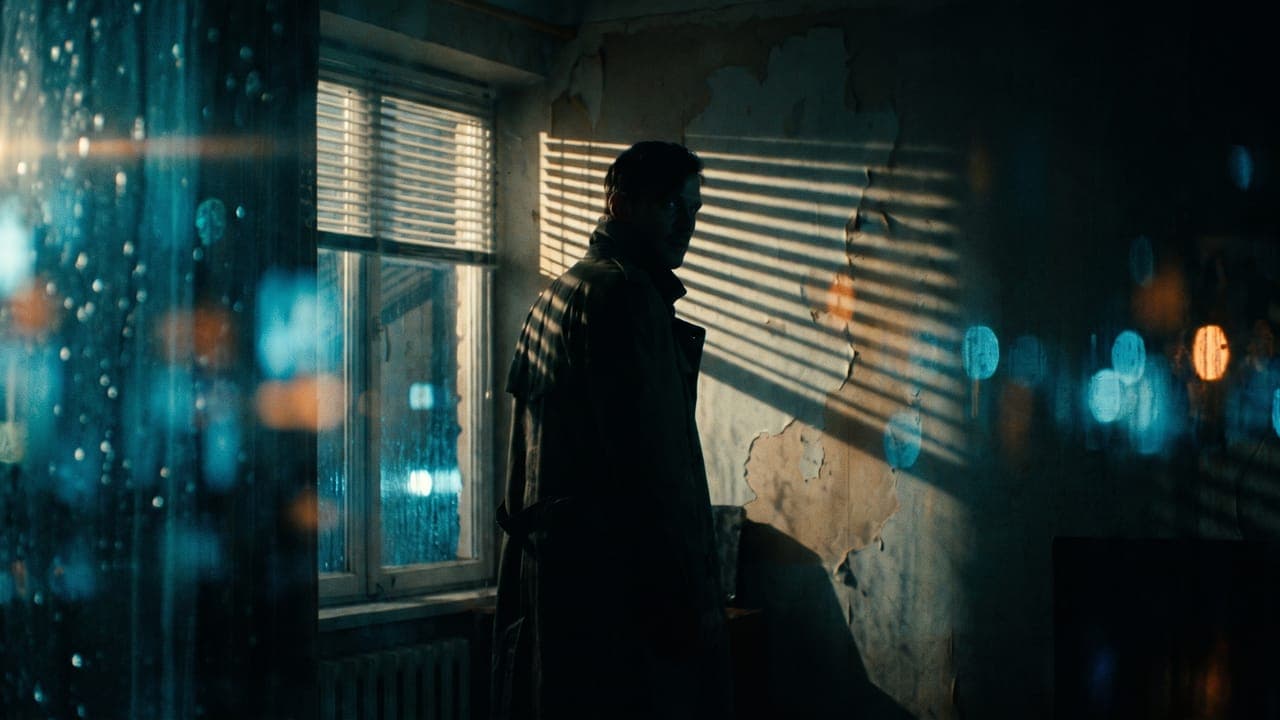
A 97% Rotten Tomatoes score from 62 critics does not happen by accident, and it especially does not happen to a horror movie shot for under $1 million by a YouTube creator most genre fans hadn't heard of two years ago. Curry Barker's killer-toy thriller was, for a few weeks, the best-reviewed wide release of any genre in 2026 — a claim that reads like studio spin until you check the numbers yourself. Obsession did it anyway.
So how good is Obsession, really?
Here's the scorecard, because "critics loved it" is the kind of vague verdict I refuse to publish.
| Metric | Score |
|---|---|
| Rotten Tomatoes (debut, 62 critics) | 97% |
| Rotten Tomatoes (current) | 94%, certified fresh |
| Metacritic (37 critics) | 77/100 |
| CinemaScore | A- |
That 97% debut made Obsession the best-reviewed wide release of 2026 in any genre, before a single awards contender or summer blockbuster had a chance to touch it. The score has drifted down three points since. Ninety-four percent certified fresh is still a number most big-budget tentpoles would trade their entire marketing spend for. Horror runs cold with critics by design; jump scares don't need prestige, and most reviewers know the difference. A wide horror release clearing 60%, Rotten Tomatoes' own bar for "Fresh," counts as a solid outing for the genre. A 97% debut, in a summer stacked with awards-hopeful dramas, is rare for any genre, not just horror. An A- CinemaScore matters too. It means the people who paid for a ticket walked out satisfied, not just impressed on paper by critics who got in free. Horror isn't usually an A-grade genre with opening-night audiences either; dread doesn't poll the way a superhero team-up does, and a B+ from a horror crowd is normally treated as a win. Obsession got the grade anyway. Track the weekend box office results and that satisfaction shows up directly in how the film held, week over week, instead of collapsing the way word-of-mouth horror usually does.
What did critics actually like about it?
Rotten Tomatoes' own critics' consensus put it about as well as anyone has:
"Taking an icky conceit and twisting it to deviously crowd-pleasing ends, Obsession is dauntingly disturbing while also skillfully amusing and thrilling." — Rotten Tomatoes Critics Consensus
That sentence is doing real work, and it does it correctly. The premise (a music-store clerk named Bear buys a cursed antique toy that grants his wish for his co-worker Nikki to fall in love with him, and the toy does not care about consent) is exactly the kind of pitch that curdles into something unpleasant in the wrong hands. Multiple reviews landed on the same two-part read: escalating tension used as the actual horror engine, and the film functioning as a cautionary tale about obsession itself, the title is not subtle, rather than a slasher running on autopilot. That reading came with a caveat nearly every critic flagged too. The premise sits close enough to something genuinely uncomfortable that several reviews spent real space asking whether the film earns the discomfort or just uses it. Consensus said it earns it. I'd rather a horror movie make me flinch at what it's depicting than pretend the depiction is free of cost.
IndieWire's review didn't hedge either, headlined flatly that Barker had made "one of 2026's best horror films." Not one of the best micro-budget horror films. Not impressive for the money. One of the best, full stop. Discussing Film's review went for a different kind of bluntness, headlined "an insanely demented love story" — said with a straight face, which is exactly the kind of description that gets someone into a theater seat faster than any trailer cut.
Sixty-two critics is a jury, not a fan club.
How does a $750,000 movie make $250 million?
Barker wrote and directed the thing, then edited it himself, on a production budget reported at under $1 million; several outlets have since put the exact figure at $750,000. He cast relative unknowns, Michael Johnston and Inde Navarrette among them, actors who don't open a movie on name recognition alone. Then it played festivals, and a bidding war broke out among distributors who apparently all saw the same math laid out below. Focus Features won it for $15 million.
So how does a film with two little-known leads and a budget smaller than a single day of Marvel craft services end up outgrossing movies with a hundred times its budget? Word of mouth, mostly, and a distributor willing to bet real money on a YouTuber's instincts.
Fifteen million dollars is a rounding error in studio terms. Focus paid it for a film that has since grossed over $250 million domestic, tracked in real time on our 2026 box office leaderboard, roughly a 17x return on the acquisition price alone, domestic money only, before anyone touches the worldwide-versus-domestic distinction that actually matters here. Trade outlets have already clocked Obsession crossing $400 million worldwide, which pushes the multiple on Focus's purchase price past 26x. Measure it against the reported $750,000 budget instead of the acquisition price, and the number stops being a business story. It's absurd: well over 300 times budget, back, in ticket sales. That's a slot machine that hit the jackpot on the first pull and then kept paying out for weeks.
It's also, per Focus Features' own accounting, the studio's highest-grossing release ever, bigger than anything the specialty label has put out in its history. That says less about Obsession's marketing spend, which barely existed, and more about what happens when a specialty distributor's biggest swing of the year turns out to be the right one. The studio market-share numbers show how rare that is for a label that size going up against Disney and Universal.
There's a reason this keeps happening with YouTube-native directors specifically, and it isn't luck. Someone who spent years making videos for an audience that clicks away within three seconds if bored develops an instinct for pacing that film school doesn't teach — no throat-clearing three-act structure, no twenty minutes of backstory before the toy shows up, just a clerk, a wish, and a cursed piece of 1960s kitsch, immediately in motion. That instinct is exactly what the RT consensus is describing when it calls the film "deviously crowd-pleasing." It's craft, not an accident of timing.
The numbers, all in one place
| Data point | Figure |
|---|---|
| Critic score at debut | 97% (62 critics), best-reviewed wide release of 2026 at the time |
| Production budget | Under $1 million (reported at $750,000) |
| Acquisition price | $15 million |
| Domestic gross | Over $250 million as of the most recently tracked weekend |
| Worldwide gross | Over $400 million |
These are box office receipts, not studio press releases. Check how box office numbers actually get calculated before taking any of them at face value, ours included.
Is this a fluke, or a pattern?
Horror movies front-load. Big opening weekend on scares nobody's been spoiled on yet, a hold in the 40s or 50s once the twist leaks online, then a fast fade toward the exit. Obsession refused the script, the exact inverse of why most movies flop at the box office in the first place. Box office trackers flagged its second-weekend jump as one of the largest of the modern era outside the Christmas corridor, the kind of week-over-week growth nobody had clocked since E.T. This one grew instead. An A- CinemaScore explains why: people who saw it told other people to go, in person, repeatedly, for weeks, which is a marketing budget no studio can buy.
You've seen this shape before, actually, just wearing a different mask. Backrooms pulled the same trick a few months earlier, another internet-native filmmaker (Kane Parsons instead of Barker) taking a YouTube sensibility straight into a multiplex and getting rewarded by critics for it instead of punished for the pedigree. Two of 2026's most talked-about horror stories both skipped the Sundance-to-studio pipeline that used to be mandatory. I don't buy that as coincidence, and I'm skeptical of any studio executive who still does. The calculus for what gets picked up for theatrical distribution is quietly changing, too. Studios used to option existing properties or hire directors with a proven credit. Increasingly, they're just watching which YouTube channel builds the most devoted following and writing the check before a rival distributor does.
Methodology
Score and consensus quote are Rotten Tomatoes' own published critic tally; Metacritic and CinemaScore figures come from their respective aggregators. Box office and budget figures are cross-referenced against trade reporting on the film's performance and acquisition. Nobody on this desk has screened Obsession; every opinion above belongs to the critic or outlet it's attributed to, not to us.
Watch what happens the next time a YouTuber with a camera and no distributor walks into a festival. Hollywood already knows how that bidding war ends.
Frequently asked questions
▸What is Obsession's Rotten Tomatoes score?
It opened at 97% from 62 critics, the best-reviewed wide release of any genre in 2026 at the time, and has since settled at 94% certified fresh.
▸What is Obsession about?
Bear, a music store clerk, buys a cursed antique toy that grants his wish for his co-worker Nikki to fall in love with him, and the wish goes horribly wrong.
▸Who made Obsession?
Curry Barker, a YouTube creator turned filmmaker, wrote, directed and edited it, starring Michael Johnston and Inde Navarrette; Focus Features acquired it for $15 million after a sub-$1 million production.
▸How did Obsession perform at the box office relative to its budget?
About as well as a movie can: a production budget under $1 million, reported at $750,000, turned into a domestic gross over $250 million, one of the highest return-on-budget ratios of any 2026 release.
This weekend's box office, in your inbox
The weekend chart, new streaming arrivals, and any tracker update worth knowing about — one short email a week. No spam, unsubscribe anytime.
Written by Marcus Reyes
Reviews Editor
Tracks what critics actually said about a movie — not what the poster quotes claim they said. Builds ReelTally's consensus roundups from scored, attributed reviews.
Up next
Perfect Tomatometer Doesn't Save Hadestown From Its Own Format Trap
A Tony-winning musical hits 100% critical acclaim on a five-day run, then immediately breaks that format. What the box office actually reveals about Broadway on screen.
Marcus Reyes · 2026-07-27Keep learning

2026 Box Office Chart: Every Wide Release Ranked
Every 2026 wide release ranked by total domestic gross, not weekend rank, with the running math on who is actually winning the year so far, updated weekly.
Elliot Kang · 2026-07-18
US Box Office Results This Weekend (July 2026)
Elliot Kang's weekend box office chart: exact grosses, theater counts, per-theater averages nobody else runs, and a public projection for next week.
Elliot Kang · 2026-07-19
Backrooms Review: What Critics Are Actually Saying
Backrooms sits at 88% Certified Fresh on Rotten Tomatoes from 104 reviews. Here's what critics loved, where they split, and what that score actually proves.
Marcus Reyes · 2026-07-18