🎞️ Backrooms Review: What Critics Are Actually Saying
Backrooms sits at 88% Certified Fresh on Rotten Tomatoes from 104 reviews. Here's what critics loved, where they split, and what that score actually proves.
Marcus Reyes · Reviews Editor
· Updated · 7 min read
★ Our score: 4/5
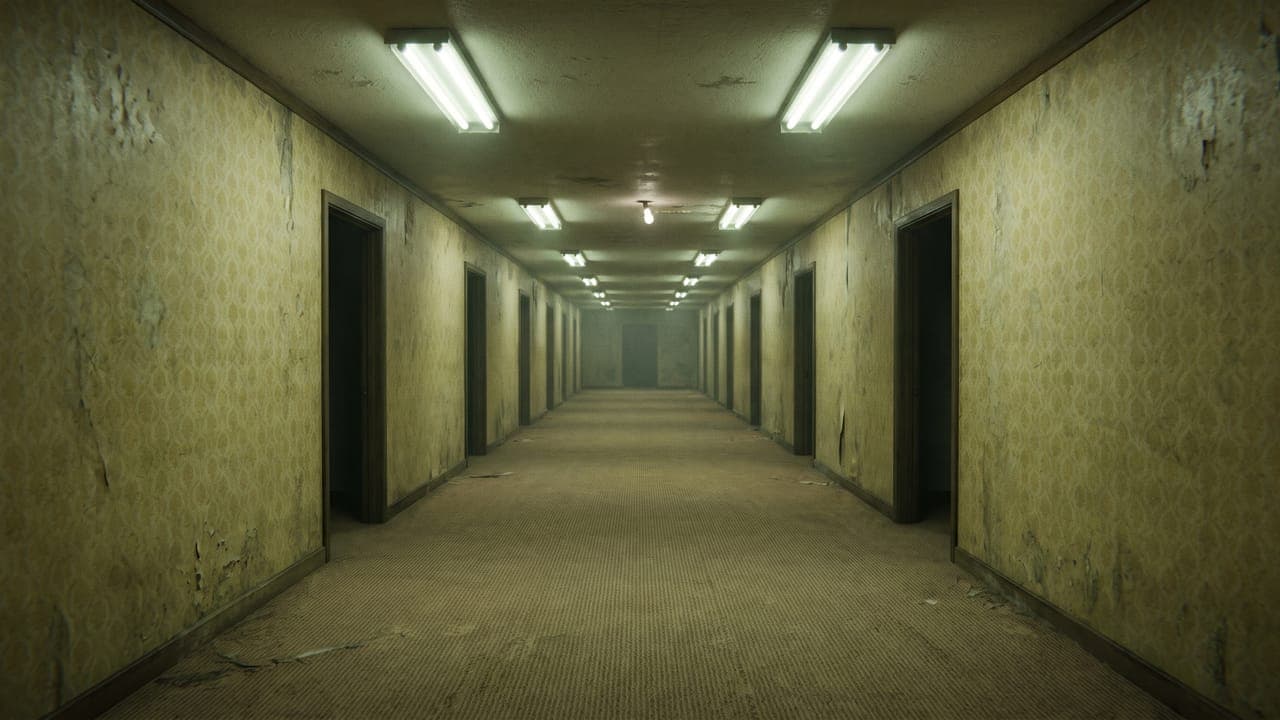
Eighty-eight percent. Certified Fresh. A hundred and four reviews counted, and I have not personally sat in a dark theater and watched Backrooms. I want that on the table before you read another word. This is a roundup, not a review; I don't run screenings on this beat. What I do is read what the critics who did watch it actually wrote, check their numbers against Rotten Tomatoes' own published math, and tell you straight whether the consensus is worth trusting. On Backrooms, it mostly is. Kane Parsons built this out of a free YouTube found-footage series he made himself, A24 bet a modest budget on turning it into a wide theatrical release, and the reviews that came back run from admiring to genuinely rattled. That range itself tells you something: this wasn't a movie every outlet agreed to like for the same reason, and the disagreements underneath the score are more interesting than the number alone. It's also part of why this became A24's own record-breaking box office run — more on that math further down.
Does 88% actually mean anything?
An 88% Tomatometer score reads fine printed across a poster. It means more than that once you know the mechanism behind it. Rotten Tomatoes only stamps a wide release Certified Fresh at 75% or higher, and only after it clears a minimum of 80 counted reviews. Backrooms is sitting 13 points above that qualifying line, on 104 reviews, 24 past the floor required just to be eligible for the badge at all. That's not marketing rounding. That's a real cushion, built on a review count wide enough that a handful of outlier pans can't tip it.
There's a second layer to the badge that matters more than the headline number. Certified Fresh also requires at least five reviews from Rotten Tomatoes' own Top Critics tier, outlets with the access and the track record to grade without a curve. A score built entirely off enthusiastic blog coverage doesn't clear that layer the way a score with real trade-press weight behind it does. Backrooms cleared both layers. The poster only advertises one of them.
| Metric | Backrooms |
|---|---|
| Rotten Tomatoes (critics) | 88% |
| Reviews counted | 104 |
| Certified Fresh threshold | 75%+, 80 reviews minimum (wide release) |
| Certified Fresh status | Yes |
| Audience reception | Reported cooler than the critic score |
| Domestic opening weekend | $81M |
| Worldwide opening weekend | $118M |
| Reported production budget | ~$10M |
I'll say the part studios don't put in the trailer. Horror movies clear 75% under generous conditions all the time — five sympathetic reviews in a limited release and a movie is Certified Fresh by Friday afternoon. Clearing it on 104 reviews, in a genuine wide release, for a director nobody outside YouTube horror circles had heard of eight months ago, is a different animal. The sample size is the story here as much as the score, and it's a big enough opening that it's already reshaping this year's full box office chart.
Why critics keep comparing this to Eraserhead
The reviews don't agree on much beyond one point: this isn't jump-scare product. Deadline credited Parsons with the specific line critics save for someone they think is about to have an actual career, calling him
"a director to watch." — Deadline
Empire's Jamie Graham went further, and stranger, reaching for David Lynch's Eraserhead as the reference point for the film's surreal, art-horror texture. That's the kind of comparison that usually lives in a festival program note, not in coverage of a horror movie playing wide, nationwide, with its own Fandango listing.
The specifics back the comparison up. Multiple reviews return to the same second-act sequence, describing it the way you'd describe getting mugged on the walk back to your car, and more than one outlet calls it among the most unsettling stretches of theatrical horror released in 2026. The opening minutes get nearly identical treatment: "among the year's most effective horror filmmaking" is the kind of unanimous line that rarely survives a full review cycle without at least one critic pushing back on it. Here, it mostly held. That's the craft talking, not the concept's novelty.
That's also where the risk lives. Art-horror comparisons are compliments from critics and warning labels for casual moviegoers who came for scares, not surreal ambiguity borrowed from a 1977 midnight-movie touchstone. A wide release built on dread and atmosphere is betting that a mainstream Friday-night crowd wants roughly what a festival audience wants. Whether that bet is actually paying off is a separate question from whether the movie is good, and the gap below is the receipt.
Where the consensus cracks
Not every note in the roundup is glowing. The dissenting thread singles out pacing, describing the final act as feeling tacked on as an afterthought against everything the film spends its first hour building carefully.
That's a real crack, not a nitpick.
There's a second, quieter tell buried in the coverage. Audience reaction has reportedly landed cooler than the critic score, which is the usual signature of a slow-burn film: one that rewards the patience a critic brings to a press screening more reliably than it rewards a Friday-night crowd that bought a ticket expecting a body count and a fast exit. Some horror audiences want dread they can sit inside. Some want a sprint to the parking lot.
Team dread is winning the reviews. Team jump-scare bought the tickets anyway, and both of them are technically right about the movie they saw.
There's a structural reason a back half can wobble like this one reportedly does. Parsons built the original Backrooms as episodic, serialized found footage online, content designed to escalate in short bursts, not resolve inside a three-act arc. Translating that into a single feature means inventing an ending the source material never had to earn, and endings invented under that kind of pressure are exactly where critics tend to feel the seams first.
Does the box office change the read?
Backrooms cleared the review bar and then some — it became A24's biggest wide release ever, more than tripling the studio's previous opening record, Alex Garland's Civil War, which topped out at $25.7M. On a reported ~$10 million production budget, an $81M domestic and $118M worldwide opening weekend works out to close to 12 times the movie's own budget recovered before the first Monday numbers were even in. Most horror films spend their entire theatrical run chasing that ratio. This one hit it in three days.
Does a record-setting opening mean the critics called it correctly? Not automatically. Box office and quality have been strangers plenty of times before. But the money and the reviews are pointing the same direction here, which is rarer than studio press releases like to admit, and it's enough to land Backrooms in our tracker of the biggest opening weekends ever recorded, a list usually owned by franchise sequels with nine-figure marketing budgets, not a 20-year-old's YouTube channel turned feature debut. If you want the mechanics behind why domestic and worldwide totals get quoted so selectively whenever a studio wants the bigger headline, we've broken down how those figures actually get counted separately.
What usually happens next is its own kind of tell. Horror breakouts that clear both bars this convincingly don't automatically get an immediate sequel greenlit; some studios let a concept breathe instead of franchising it by Monday morning. A24 has built its identity on that patient instinct more than any other major studio working right now. Whether Backrooms becomes the exception to that house style is the next number worth watching, not this weekend's.
Is it worth a theater ticket, or can it wait?
Here's the actual recommendation sitting underneath all that data. Horror audiences who want atmosphere and dread over a fast body count are being told, in near-unison, that the second-act sequence is doing real work on a large screen — the kind of moment that shrinks fast on a laptop with the lights already on and a phone in your other hand. Viewers who are pacing-sensitive, and who take the back-half complaints seriously, lose nothing by waiting a few months; here's what actually determines when a movie still in theaters shows up to stream, for anyone whose whole strategy is patience.
An 88% Certified Fresh score on an original horror concept, adapted from a no-budget YouTube series with zero franchise recognition behind it, is a legitimately strong outcome by any measure this beat tracks. It's also worth reading against a horror year that's had its share of noise; our roundup on Obsession is the natural next stop if you want to see whether that strength is a trend or an exception.
Methodology
This roundup runs on Rotten Tomatoes' published Tomatometer score and Certified Fresh criteria, direct quotes attributed to Deadline and Empire, and reported opening-weekend box office figures cross-checked across multiple outlets rather than lifted from a single aggregator. Every opinion above belongs to the critic who wrote it, named wherever the record shows a name. I didn't screen Backrooms. That's not the assignment.
A 20-year-old with a laptop and a YouTube channel just out-opened every prestige drama A24 released before him, critics included. What Hollywood does with that lesson will outlast this review cycle by a wide margin.
Frequently asked questions
▸What is Backrooms' Rotten Tomatoes score?
88% on the Tomatometer, Certified Fresh, from 104 counted reviews as of this writing — well clear of the 75% line Rotten Tomatoes requires for that designation.
▸Is Backrooms based on a true story or existing property?
No. It's adapted from Kane Parsons' own viral YouTube found-footage series of the same name — his creation from the start, not a true story and not a licensed franchise.
▸What do critics say is Backrooms' biggest weakness?
Pacing in the back half. At least one review describes the final act as feeling tacked on as an afterthought next to how strong the opening plays.
▸Is Backrooms worth watching in a theater?
Critics say yes — several single out a second-act sequence as some of the most effective theatrical horror of 2026, the kind of scene that loses its punch on a smaller screen.
This weekend's box office, in your inbox
The weekend chart, new streaming arrivals, and any tracker update worth knowing about — one short email a week. No spam, unsubscribe anytime.
Written by Marcus Reyes
Reviews Editor
Tracks what critics actually said about a movie — not what the poster quotes claim they said. Builds ReelTally's consensus roundups from scored, attributed reviews.
Up next
Perfect Tomatometer Doesn't Save Hadestown From Its Own Format Trap
A Tony-winning musical hits 100% critical acclaim on a five-day run, then immediately breaks that format. What the box office actually reveals about Broadway on screen.
Marcus Reyes · 2026-07-27Keep learning
A24 Box Office History: Every Record They've Set
A24 built its name on prestige titles and modest budgets. Backrooms just crossed $300 million worldwide and rewrote the studio's entire box office ceiling.
Harper Lane · 2026-07-18
2026 Box Office Chart: Every Wide Release Ranked
Every 2026 wide release ranked by total domestic gross, not weekend rank, with the running math on who is actually winning the year so far, updated weekly.
Elliot Kang · 2026-07-18
How Box Office Numbers Are Actually Calculated
The Sunday chart you just read is a forecast, not a result. Here's who counts your ticket, how Monday's number differs, and when to trust either one.
Sofia Marchetti · 2026-07-18