💰 Streaming Bundles Explained: Are They Worth It? (2026)
The real math on Disney+/Hulu bundles, telecom packages, and savings vs. subscribing alone. Verify current prices before you commit.
Sofia Marchetti · Streaming & Guides Editor
· 5 min read

Streaming Bundles Explained: Are They Worth It? (2026)
Only if you use most of what you're paying for.
Streaming bundles sound like a free pass to savings, but the math depends on which three services you're buying and whether you'll actually watch them. This guide walks through how bundles work, what the real cost comparison looks like, and where to verify current numbers so you don't overpay.
The stakes matter to the industry. Bundling is the last tactic studios have to fight churn. When standalone growth flattens—and it has, per quarterly earnings across Disney, Warner Bros., and Paramount—bundles become the only way to keep subscriber numbers climbing. That's bad for customers who want flexibility.
How Streaming Bundles Actually Work
A bundle groups two or more services under one monthly bill. Disney's three-service bundle ($14.99/month with ads, as of July 2026 per Disney's investor relations site) pairs Disney+, Hulu, and ESPN+ at a discount. You can't cherry-pick. You get all three or none.
Telecom bundles work differently. Verizon, AT&T, T-Mobile, and regional cable providers add streaming services (Max, Netflix, Paramount+, Apple TV+) as perks to internet or phone plans. These lock you into a contract—often 24 months. The streaming part is "free," but you're paying $70–$150/month for broadband or mobile. Real savings only materialize if you were going to buy that internet anyway.
Why studios bundle? It increases switching costs. If you're paying one bill for three services, canceling feels like a bigger decision. Studios also use bundles to prop up slower-growing platforms. ESPN+ alone would lose money; bundled with Disney+, it survives.
The Math: What You Actually Pay vs. Standalone
Real numbers matter.
| Service | Ad Tier Price (Standalone) | Ad Tier Price (Bundle) | Savings Per Service |
|---|---|---|---|
| Disney+ | $7.99/month | $14.99/month ÷ 3 | $2.34 / ~29% off |
| Hulu | $7.99/month | (bundled) | ~$2.34 / ~29% off |
| ESPN+ | $11.99/month | (bundled) | ~$3.35 / ~28% off |
Total standalone: $27.97/month. Bundle: $14.99/month. Your savings: $12.98/month, or $155.76 a year.
That $155.76 only matters if you genuinely use all three. If you're a sports fan who ignores Hulu and skip ESPN+ because you have cable, you're overpaying. Buying Disney+ ($7.99) and Hulu ($7.99) separately costs $15.98—still higher than the bundle, but you're only wasting $1 per month instead of $7. If you only want Disney+, the bundle wastes $7.00/month. I see this all the time. People lock into bundles for one service and ghost the others.
Check current prices yourself at disney.com, hulu.com, and espn.com before assuming the table above is live.
Warner Bros. Discovery and Paramount Bundles
Max (formerly HBO Max) doesn't bundle by default, but Warner Bros. Discovery has experimented with bundling Max + Discovery+ in some markets. As of July 2026, Max standalone starts at $7.99/month (with ads). If bundled, you're paying for thousands of hours of home-improvement and reality TV on Discovery+ if your interest is movies and prestige television.
Paramount+ offers Paramount+ with Showtime, which makes sense if you're a subscriber to both. Paramount doesn't officially bundle with unrelated services like Pluto TV, though Pluto TV is free ad-supported anyway.
Telecom Bundles: The Hidden Contract Cost
Verizon includes Max with certain wireless plans. AT&T layers in Max, Apple TV+, or HBO Max depending on your plan tier. T-Mobile offers Netflix on some plans.
The pitch: "Get Netflix free with your phone bill." The reality: you're in a 24-month contract that locks you into $100+/month for internet or mobile. Switching providers means an early termination fee, usually $350–$500. That wipes out 3–5 years of streaming "savings."
If your current provider costs $85/month and the bundled competitor costs $95/month, you're spending $240 extra per year to get a $120/year streaming discount. The math says stay put.
One exception: if you're already switching providers because the competitor is cheaper on the main service, the bundled streaming is genuinely a bonus.
The By-the-Numbers Reality
- Disney's three-service bundle saves $12.98/month vs. standalone, or $155.76 per year, if you use all three (per official pricing, July 2026).
- Telecom bundling costs $20–$30/month extra per year in contract lock-in risk if you were considering switching providers anyway.
- The average household has 4.7 active paid subscriptions (per Nielsen, 2025), up from 3.2 in 2020. Bundles slow that growth by consolidating into fewer bills.
- Bundle attrition is highest 30 days after signup, per churn data from streaming services. People sign up, realize they don't want one component, and don't optimize.
When Bundles Make Sense
You actively use all services. Not "I might watch ESPN+" or "I'll probably use Hulu eventually." You watch sports, scripted drama, and Disney originals.
You're already a subscriber to two or three separately. If you're already paying for Disney+ and Hulu, the bundle saves you money.
It's a telecom add-on to a service you were buying anyway. If your Verizon bill is cheaper or you genuinely prefer their network, the free Max is gravy.
Bundles don't make sense if you want only one service, or if you're switching internet providers solely to save on streaming.
How to Verify Current Pricing (Don't Trust This Article)
Streaming prices change 2–3 times yearly, often without warning.
- Disney bundles: disney.com/bundle. Check tier options—there are usually four.
- Warner Bros./Max: max.com. Max pricing is listed per region; Max + Discovery+ is regional only.
- Paramount+: paramountplus.com. Paramount+ with Showtime is available; other bundles are trial-exclusive.
- Telecom bundles: Log into your provider's app (Verizon, AT&T, T-Mobile, Comcast) and navigate to "Streaming" or "Add-ons." The app shows current, accurate pricing and terms.
Never rely on marketing emails or ads.
The Honest Take
If you were already buying two streaming services separately, a bundle saves you real money. $12–$18/month compounds to $150–$200/year.
If you're signing up to bundles as a shortcut to "get everything," you're spending more than you should. The cheapest setup is ruthless: subscribe to one thing, watch it, cancel, subscribe to the next. Most people hate that workflow. But own that you're paying for convenience, not savings.
Telecom bundles are trickier. Only take it if the base service is already cheaper than your current provider. Otherwise, judge the provider on price and quality alone.
Check how streaming release windows actually work to understand why exclusives matter—a bundle is worth less if the shows you want never land there anyway. Then cross-reference every streaming service price compared and Netflix vs. Max vs. Disney+ before you commit. Current prices matter; old blog posts don't.
Frequently asked questions
▸What's the cheapest streaming bundle in 2026?
Disney+ Basic (with ads), Hulu (with ads), and ESPN+ (with ads) bundle for $14.99/month, per Disney's official pricing. That's $0.17 per service per day if you use all three.
▸Do I really save money with a bundle?
Only if you use most or all of the services included. If you want just one, buying it standalone is often cheaper. Check each service's current per-unit price before committing.
▸Are telecom streaming bundles worth it?
Only if you're already paying for that internet or phone plan. Don't switch providers just to get a streaming add-on—the contract length and switching costs usually outweigh the savings.
▸How often do bundle prices change?
At least twice yearly, usually around earnings calls (Disney, Warner Bros., Paramount, and Amazon all announce changes mid-year and year-end). Check official websites, not cached pricing.
▸Can I pause a bundle subscription?
Most services allow pause-and-resume for 3–6 months at no charge, but verify your specific plan. Contact customer service; don't assume.
This weekend's box office, in your inbox
The weekend chart, new streaming arrivals, and any tracker update worth knowing about — one short email a week. No spam, unsubscribe anytime.
Written by Sofia Marchetti
Streaming & Guides Editor
Writes the where-to-watch and how-it-works guides. Keeps a running spreadsheet of every price change across the major streamers, because somebody has to.
Up next
Ramayana Budget Explained: Is It ₹835 Crore or ₹4,000 Crore?
Two very different Ramayana budget figures are circulating. Both are defensible — they measure different things. Here's which number actually matters.
Sofia Marchetti · 2026-07-31Keep learning
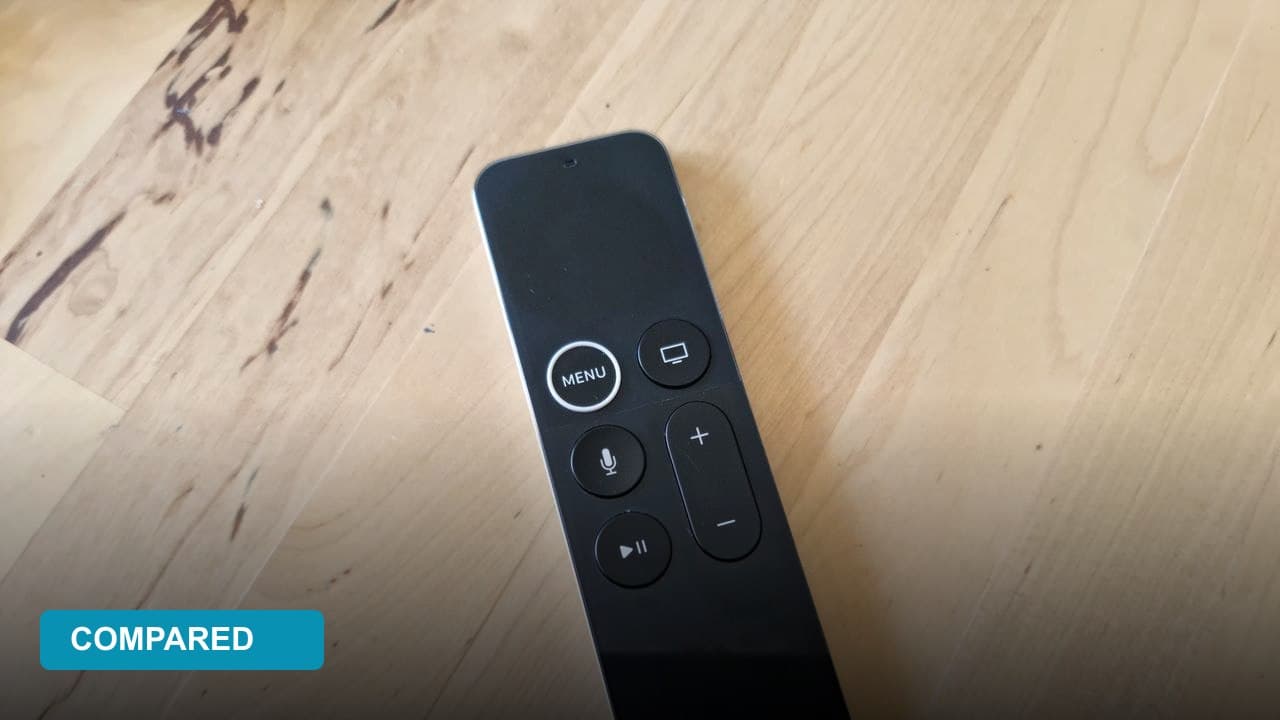
Every Streaming Service Price Compared (2026)
Every streaming plan price for 2026, exact to the cent: Netflix, Max, Disney+, Prime Video, Apple TV+, Paramount+, Peacock, plus the real cost of losing ads.
Sofia Marchetti · 2026-07-18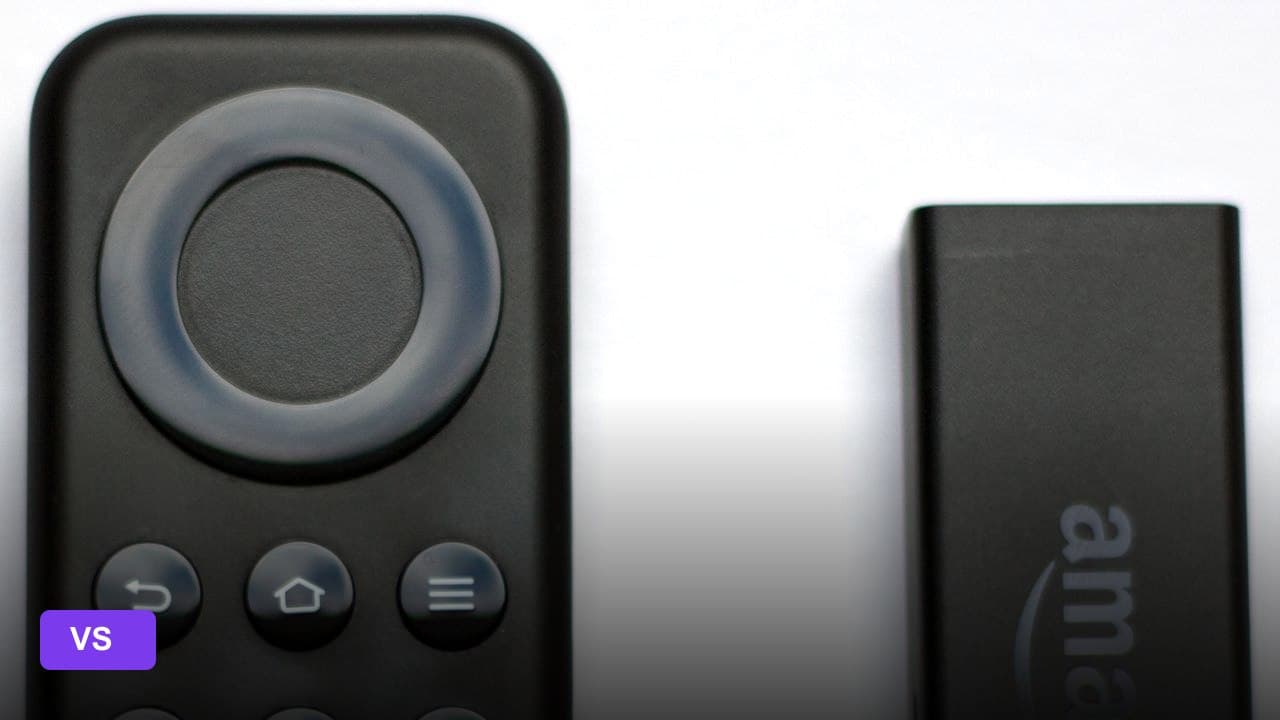
Netflix vs. Max vs. Disney+: Which Is Worth It?
Netflix, Max and Disney+ priced per tier, per day and per screen. Rotation math saves $152.91 a year, and one pick wins outright, stated first.
Ben Okafor · 2026-07-18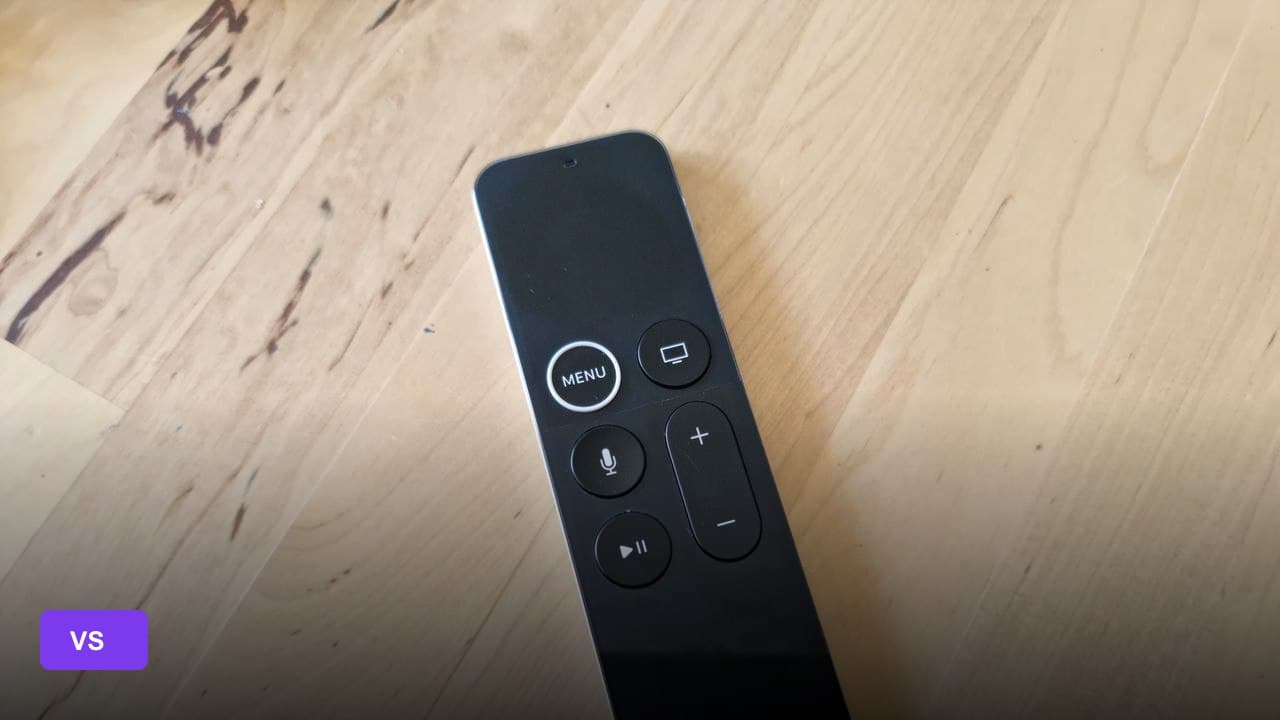
Apple TV+ vs. Paramount+: Which Is Worth It?
Paramount+ Essential at $8.99 beats Apple's flat $9.99 for most households, and the ad-free math flips it back. Every price, both catalogs, one verdict.
Ben Okafor · 2026-07-18
The Best Free Streaming Services With Ads (2026)
Ad-supported streaming is cheaper than ever. Here's what's actually worth watching on Tubi, Pluto TV, Freevee, and which paid tiers justify their cost.
Sofia Marchetti · 2026-07-22